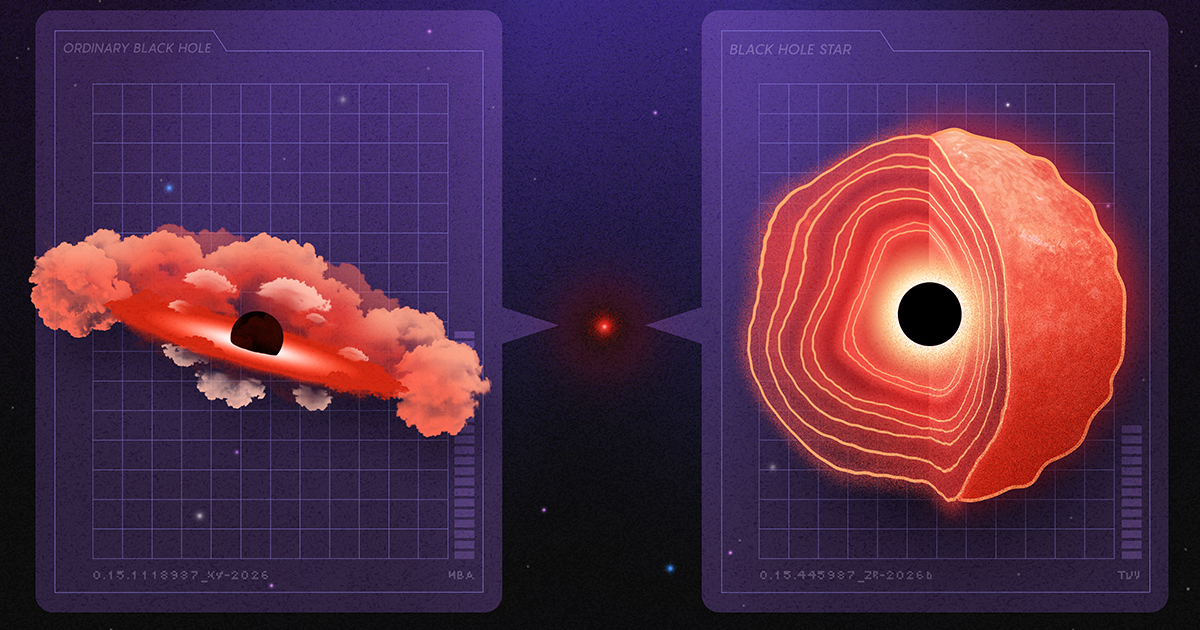
Black Holes or Black Hole Stars? Astronomers Spar Over Webb Telescope’s ‘Little Red Dots.’ | Quanta Magazine
The James Webb Space Telescope spots mysterious “little red dots” everywhere. A bold new theory suggests they’re suns dozens of times larger than our entire solar system.
quantamagazine.org
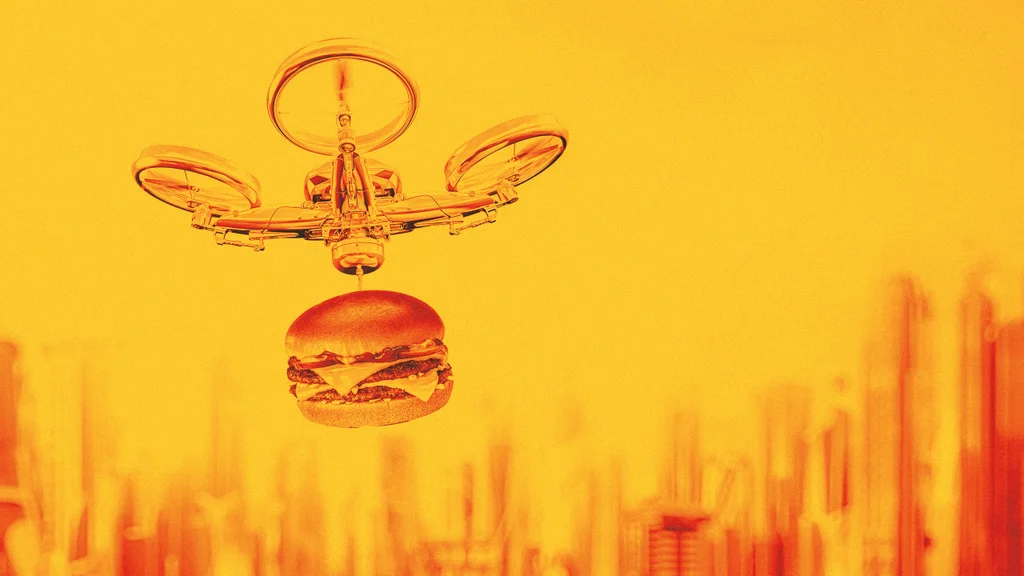
In China, McDonald's will deliver your Big Mac by drone
The burger chain's partnership with Meituan is another step forward in China's low-altitude economy strategy.
fastcompany.com
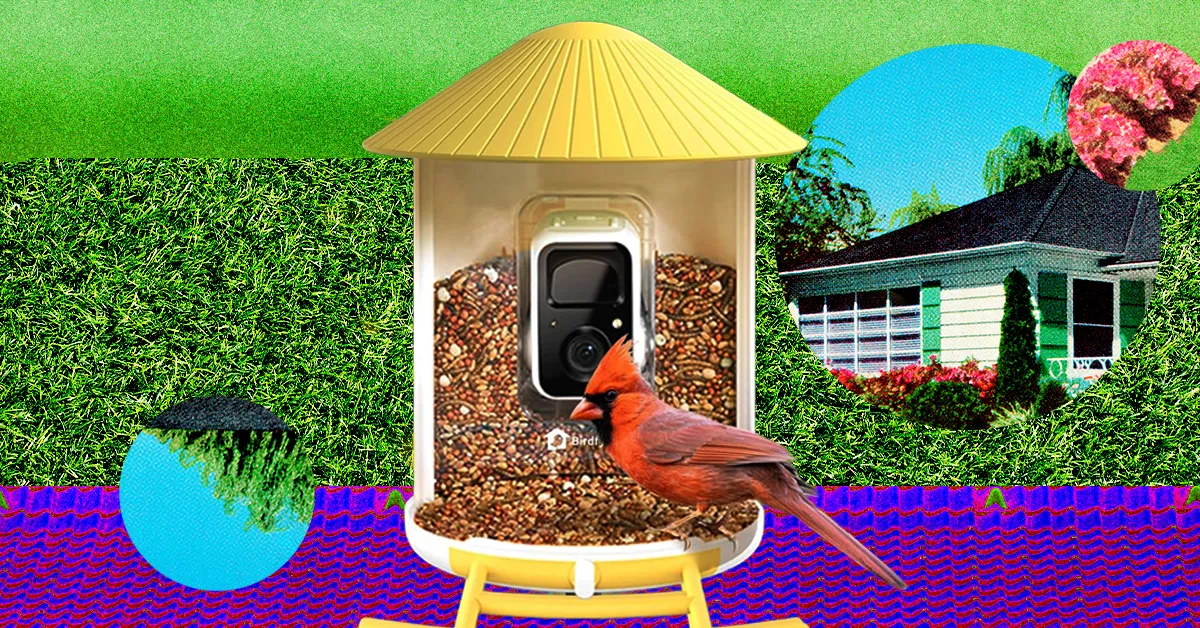
I Turned My Backyard Into a Nature Documentary With a Flock of Smart Bird Feeders
See and learn about the birds in your neighborhood with these connected bird feeders.
wired.com
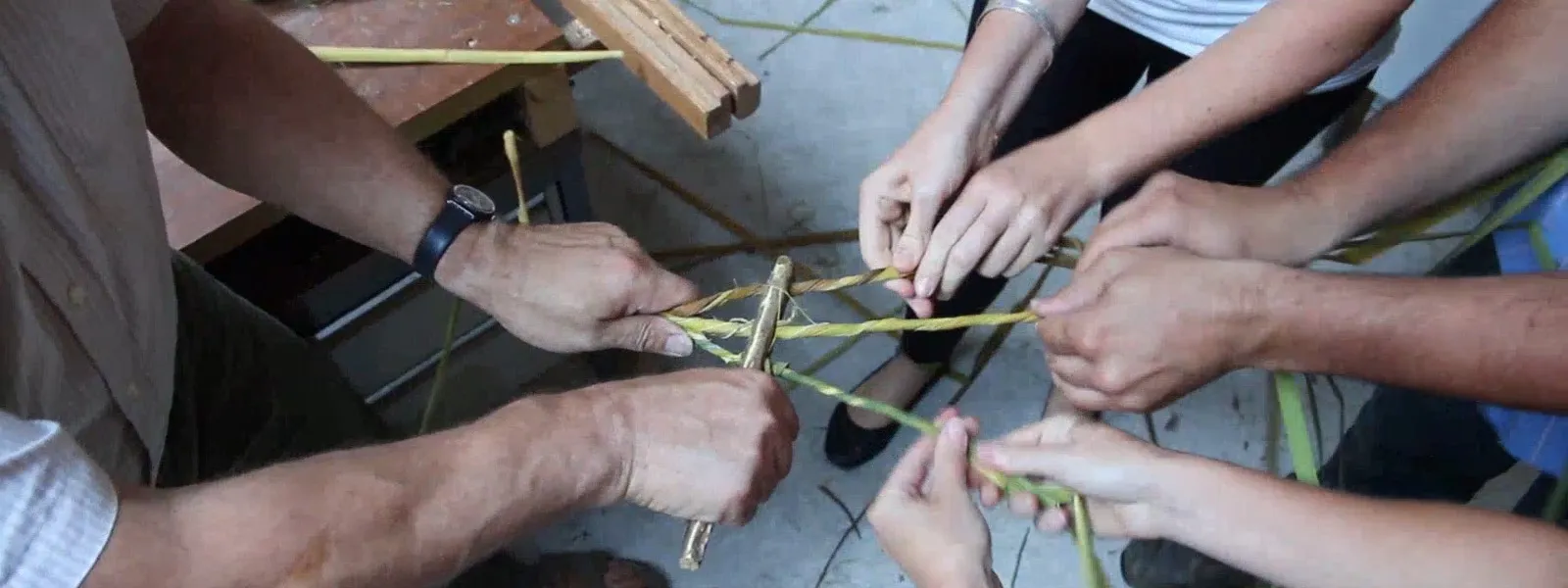
Rope, Twine and Thread: Invisible Technologies of the Stone Age - Nautilus
Missing from the archaeological record, fiber innovations like string played a huge role in the daily lives of our ancestors. Researchers are working to weave together new insights from the traces they left behind
nautil.us

Inside IBM’s New Quantum Computing Fridges, 180 Times Colder Than Deep Space - Nautilus
These bulky units can link qubits together like never before
nautil.us

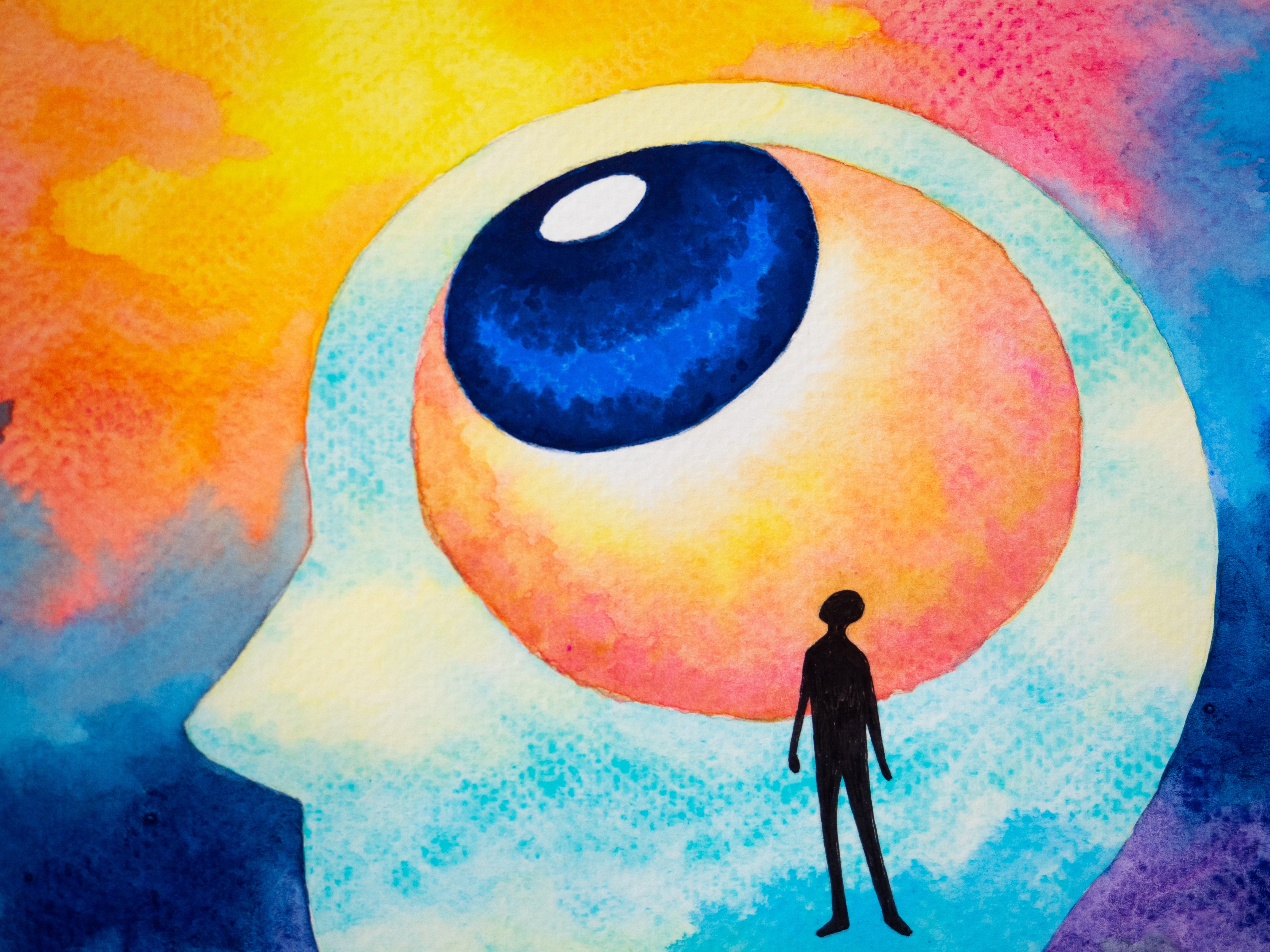
Does Consciousness Require a Body? - Nautilus
A conversation with neuroscientist and author Antonio Damasio about intelligence, feelings, and robots
nautil.us
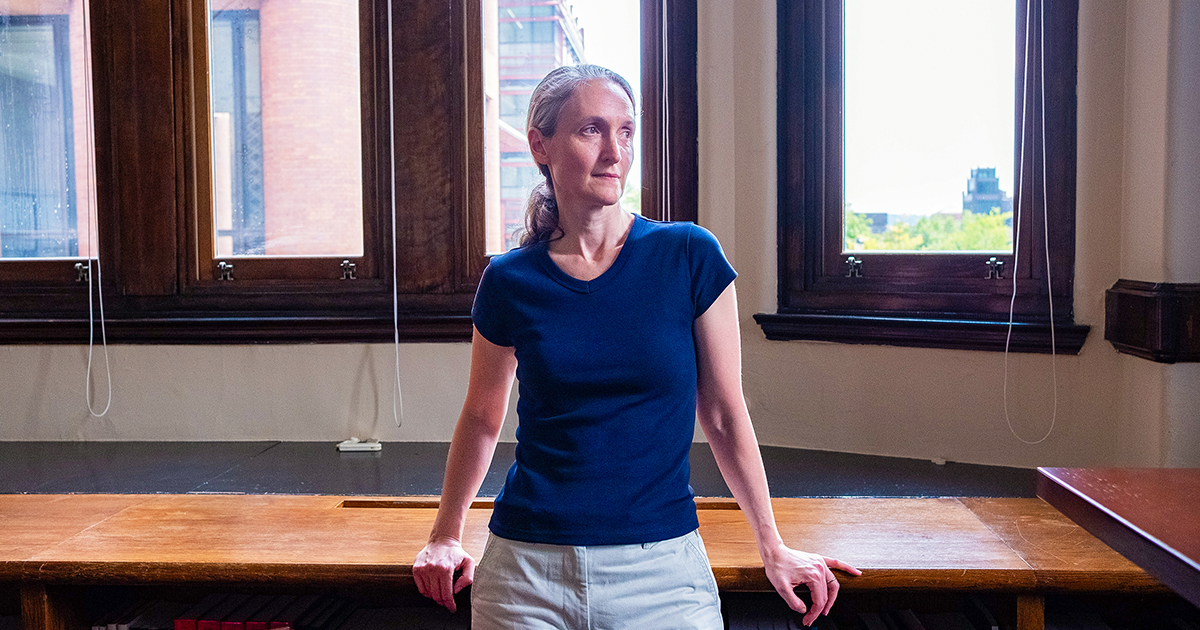
In an Age of AI, a Physicist Seeks What Endures | Quanta Magazine
Sarah Demers, chair of the physics department at Yale University, sees the potential for large language models to both help and harm her field.
quantamagazine.org

AI Has Solved One of Math’s $1 Million Millennium Prize Problems | Quanta Magazine
Mathematicians at OpenAI showed that the Navier-Stokes equations, which describe how fluids flow, can sometimes “blow up.” But the massive result is not without controversy.
quantamagazine.org


Your Boss Is Watching You - Nautilus
Assisted by AI, companies have more options than ever to track employees, minute by minute, keystroke by keystroke. Does this have the desired effect?
nautil.us
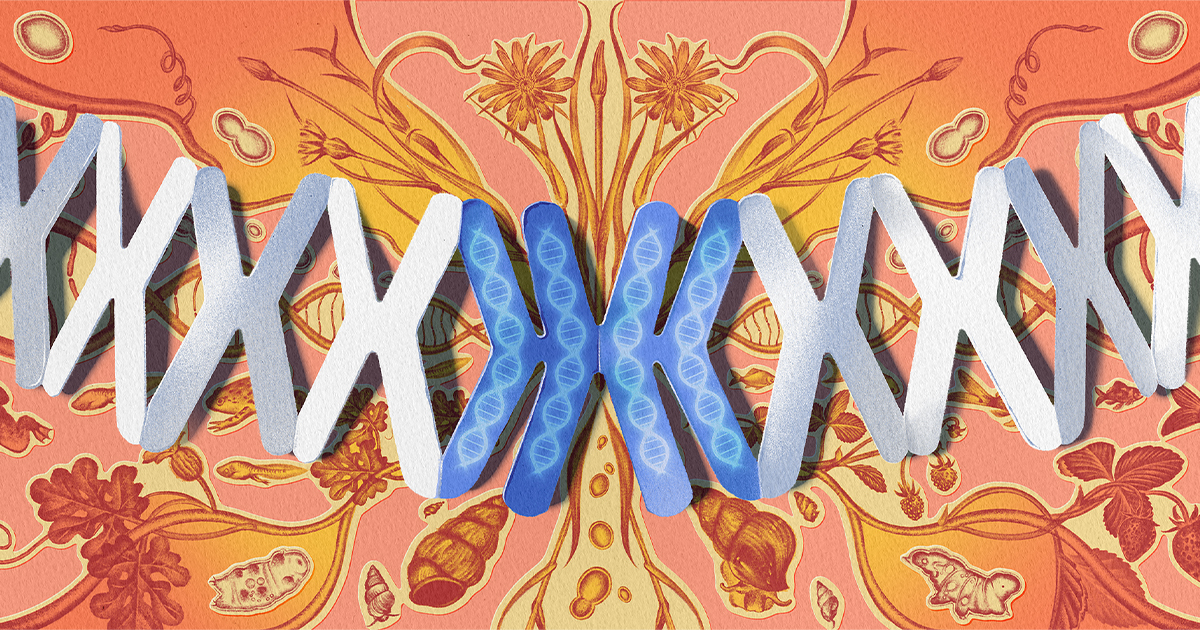
Genome Duplication Is a Radical Evolutionary Gamble | Quanta Magazine
By doubling their entire genome, organisms can evolve extremely rapidly — or they can lose it all. New studies reveal how to survive the high-risk, high-reward evolutionary event.
quantamagazine.org

Your Smartwatch May Not be as Smart as You Think it is - Nautilus
They’re great at telling time, though
nautil.us
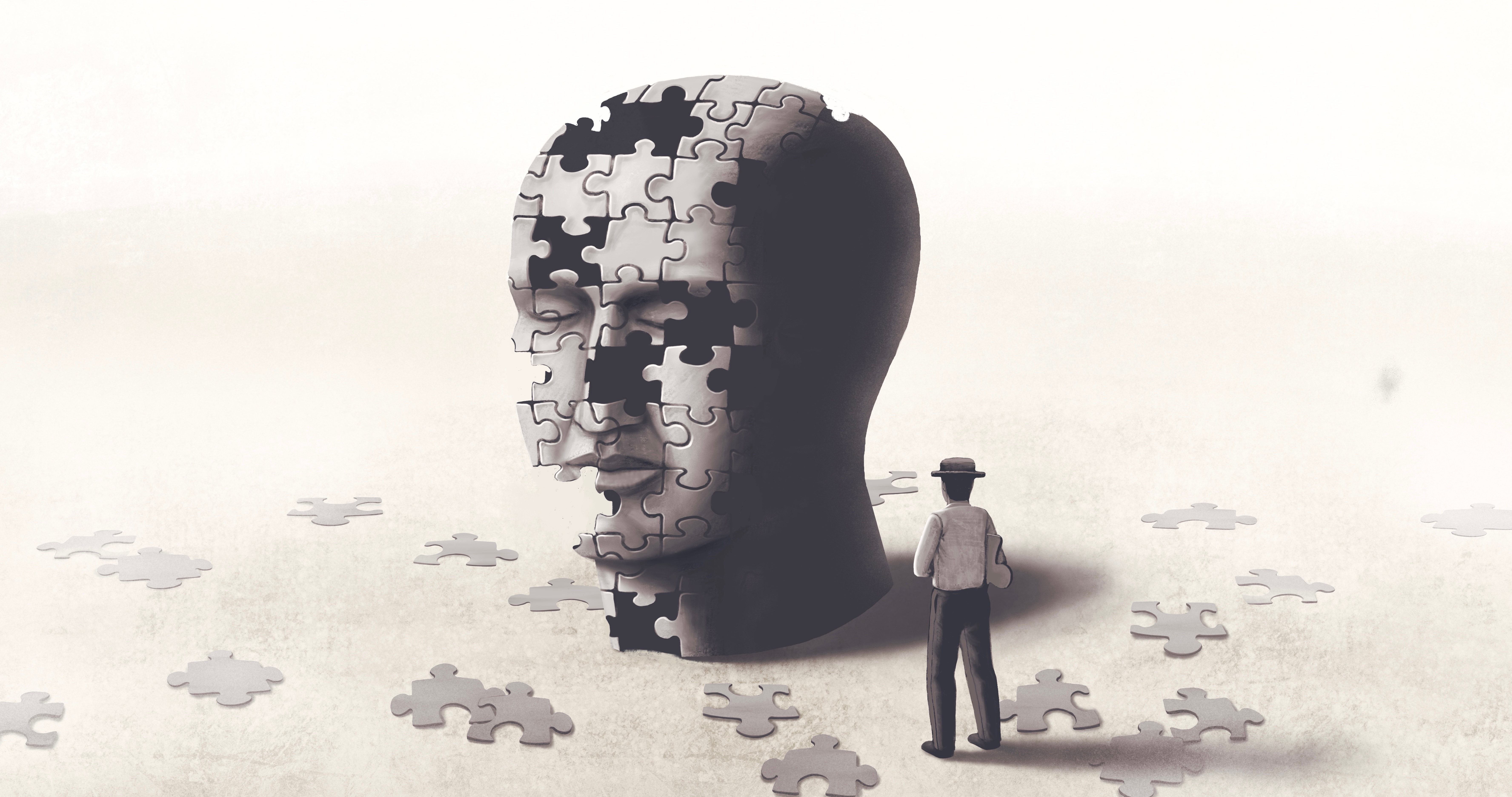
Memory Decline Starts Earlier Than You Might Think - Nautilus
Middle-age memory slips are a bit strange
nautil.us
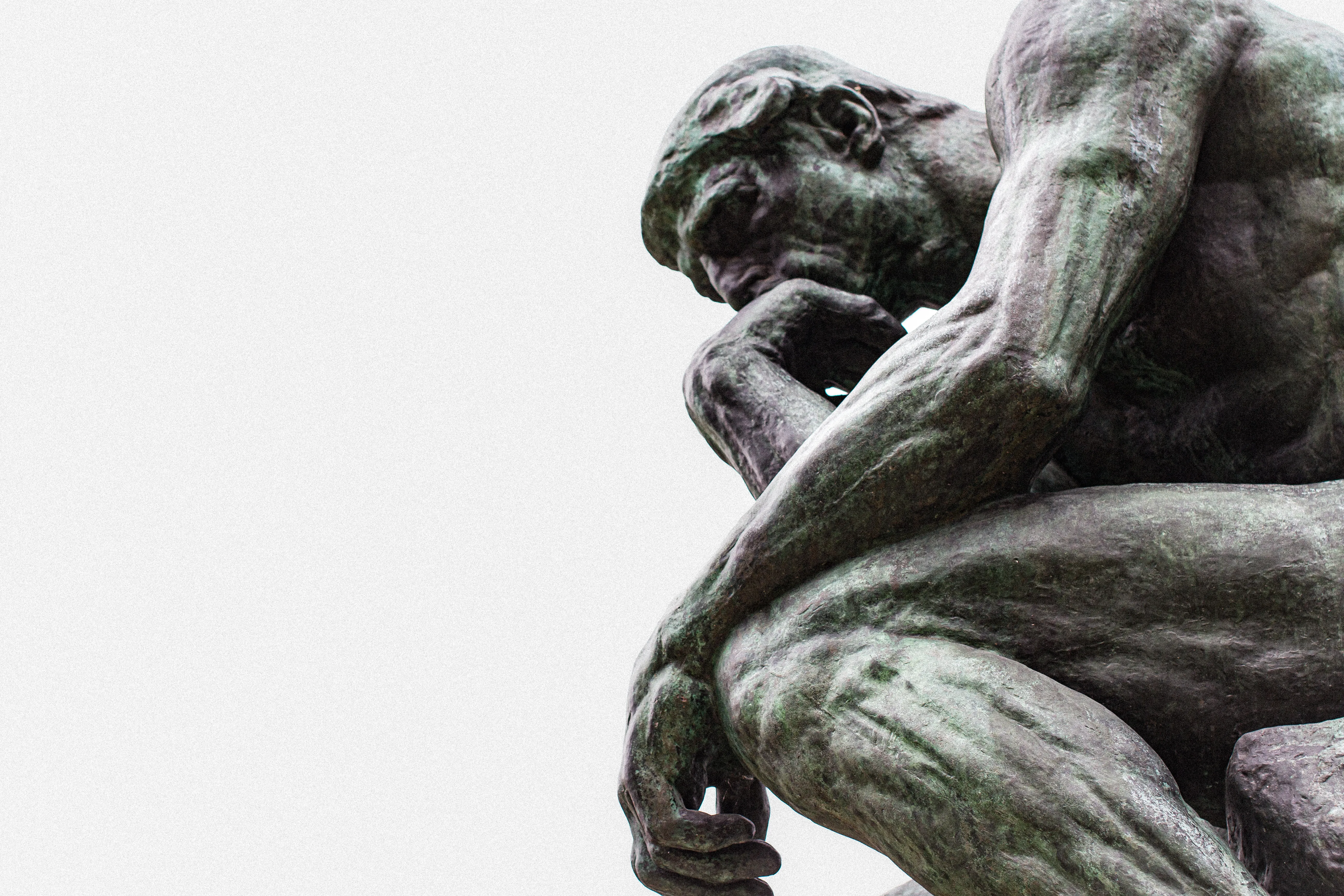
How to Think About Thinking - Nautilus
A conversation with neuroscientist Adrian Owen about the importance of executive function
nautil.us
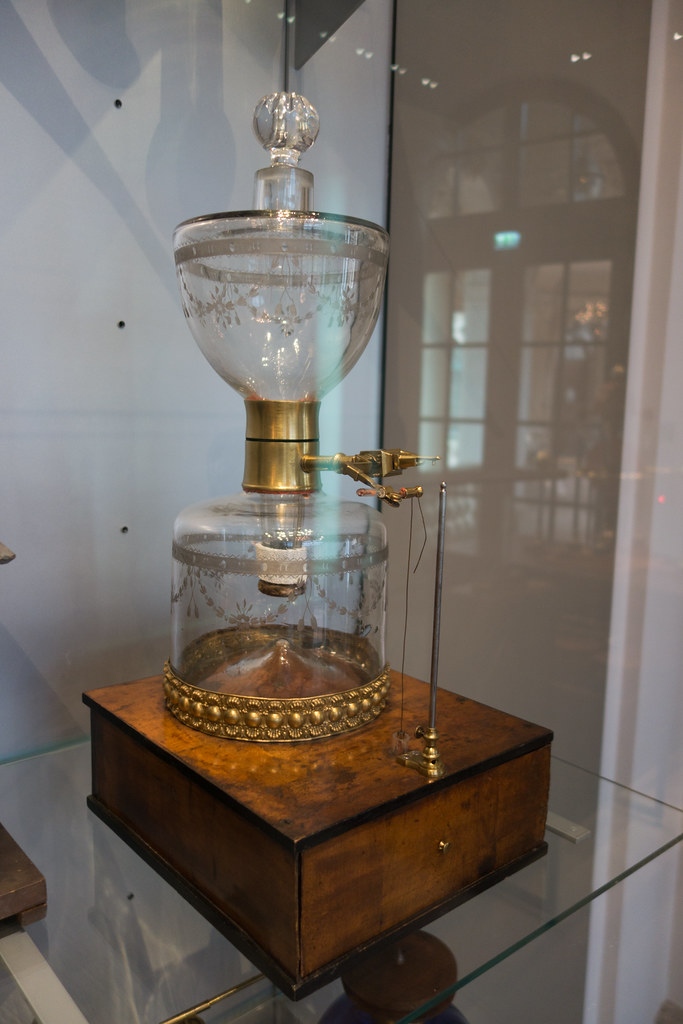
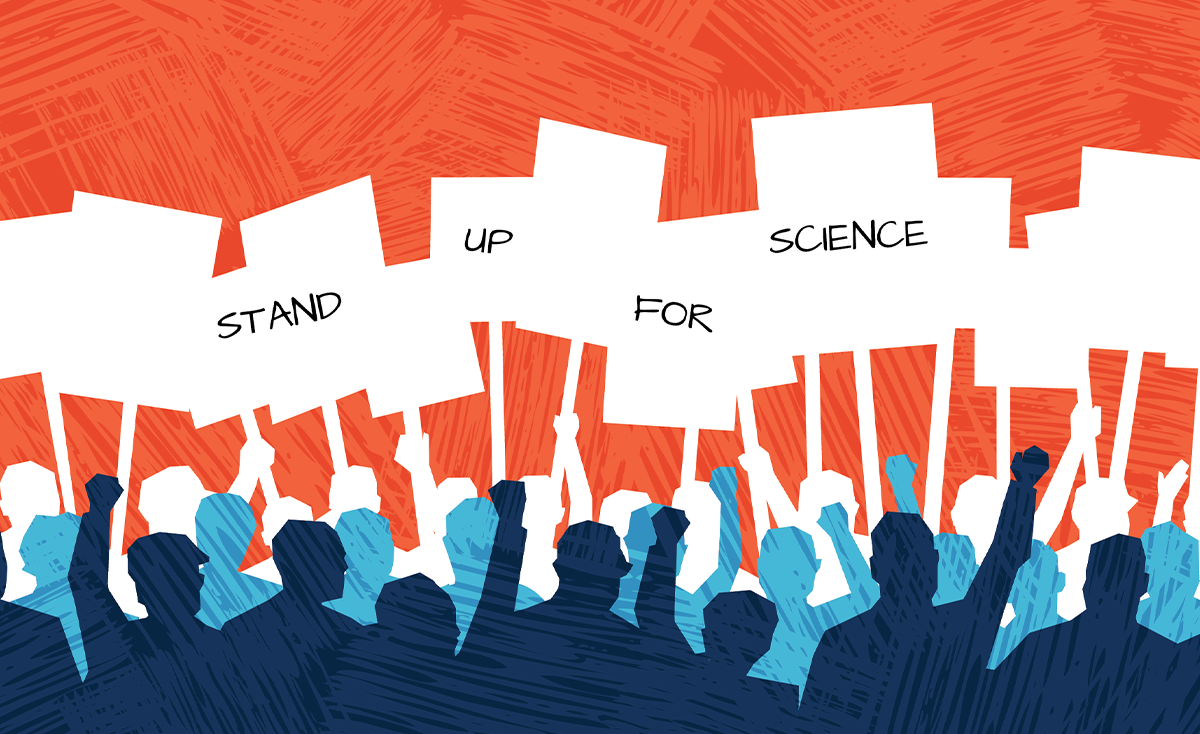
The Resistance Is Here
The Resistance Is Here: They didn’t plan to be activists. But scientists have united to overturn Trump’s drastic cuts to science.
nautil.us
Theory of Fluids Enters the 21st Century | Quanta Magazine
From the 1800s to the early 2000s, physicists used the same theory to understand the behavior of fluids. Now, using a modern insight, they have redefined fluids from the bottom up.
quantamagazine.org

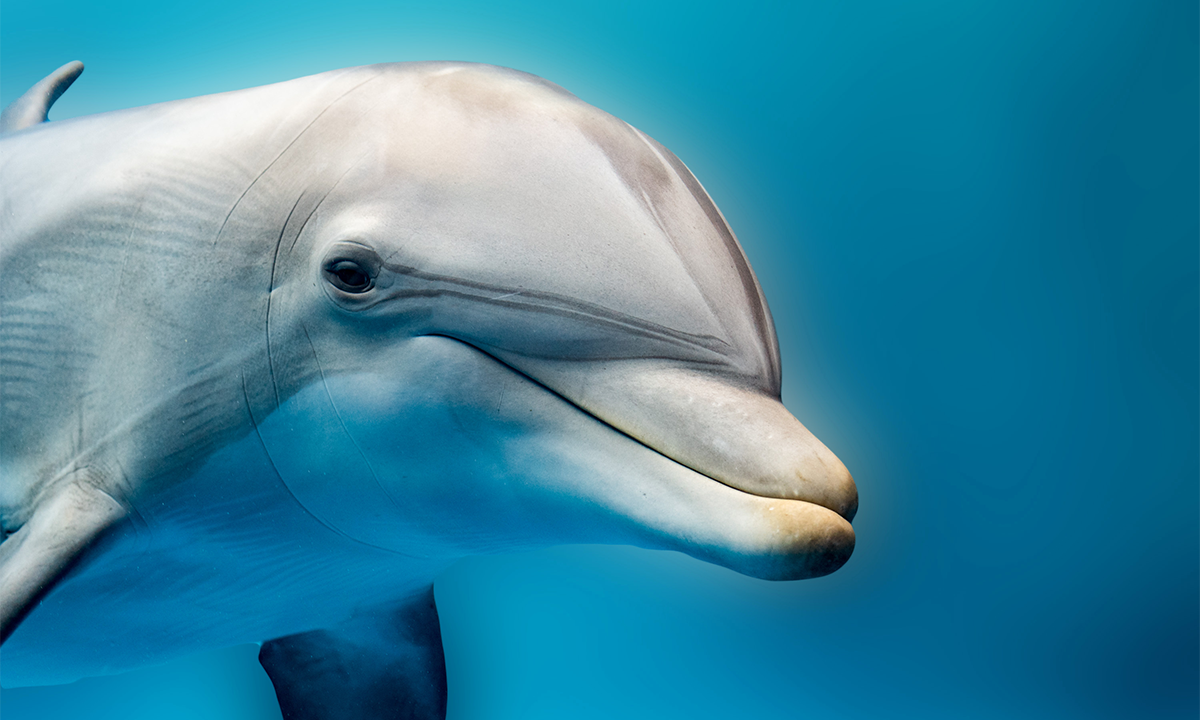
Dolphins Eavesdrop on Their Prey—and Each Other
Dolphins Eavesdrop on Their Prey—and Each Other: They strategically choose when to whistle or click
nautil.us

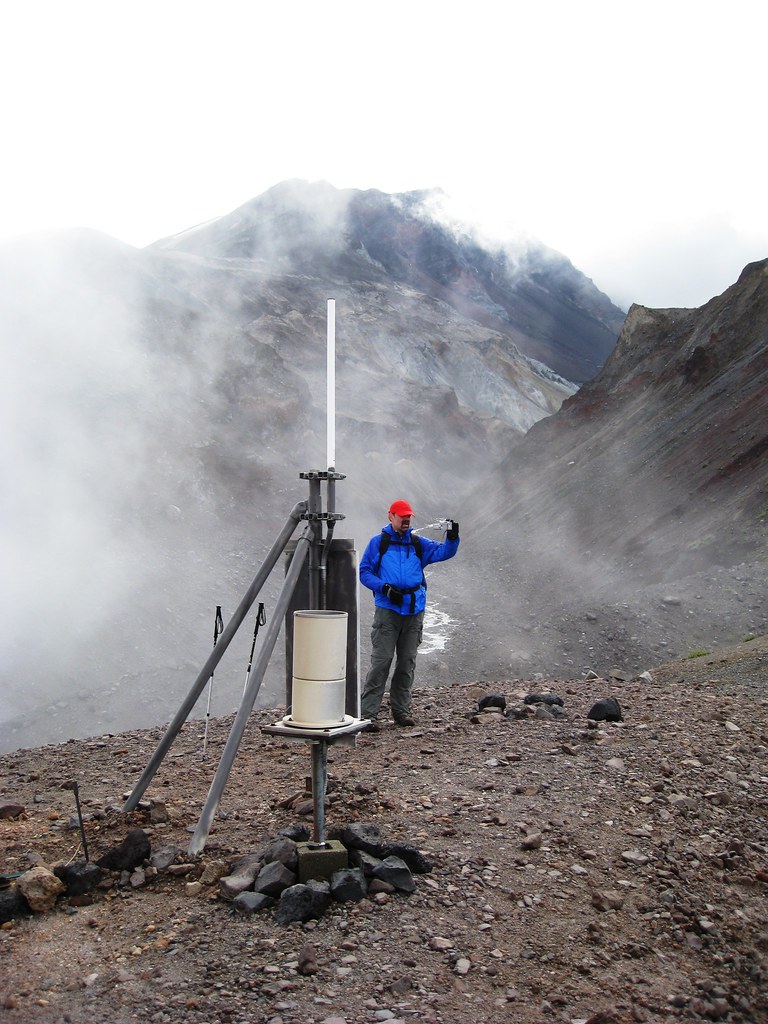
How Listening to Ocean Waves Can Predict Volcanic Eruptions
How Listening to Ocean Waves Can Predict Volcanic Eruptions: The speed of the soothing sounds could spell disaster
nautil.us
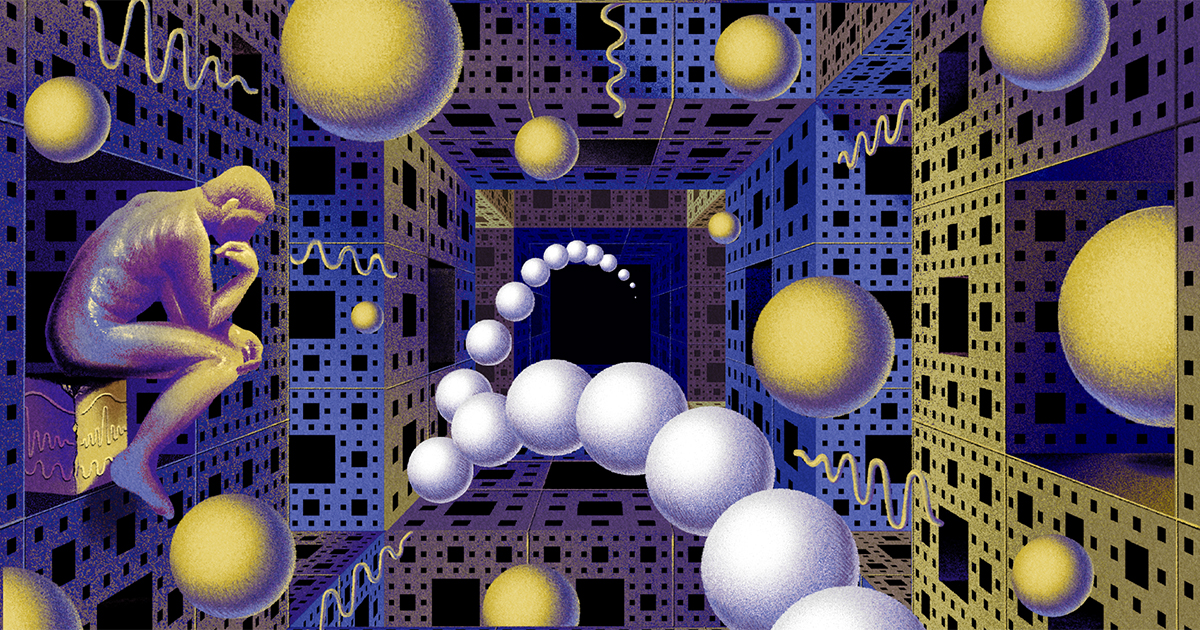
Graduate Student Proves the Fractal Uncertainty Principle | Quanta Magazine
The math, which combines chaos, quantum theory, and infinitely complex fractal structures, has been called a “foundational result.”
quantamagazine.org