Summer Training: Catching Up With NASA’s Astronaut Candidates - NASA
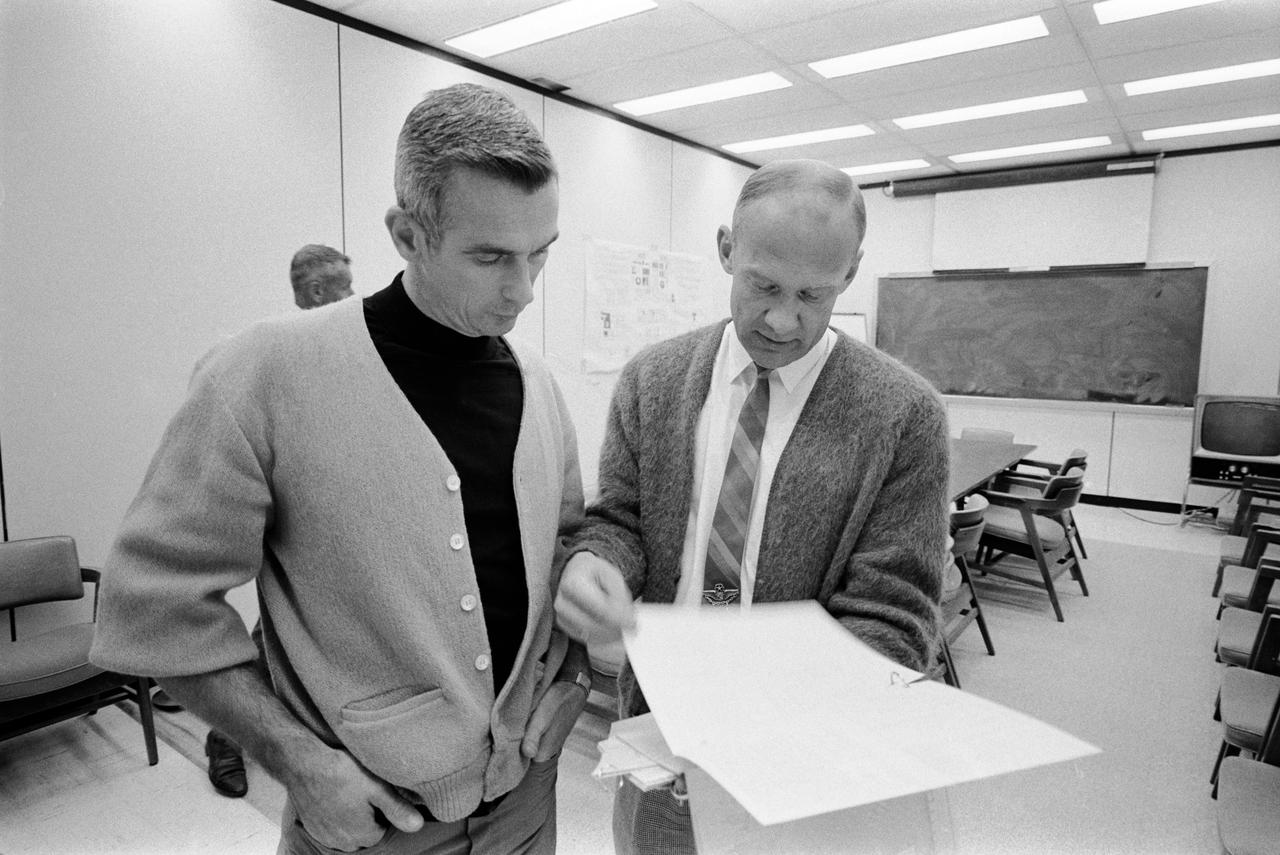
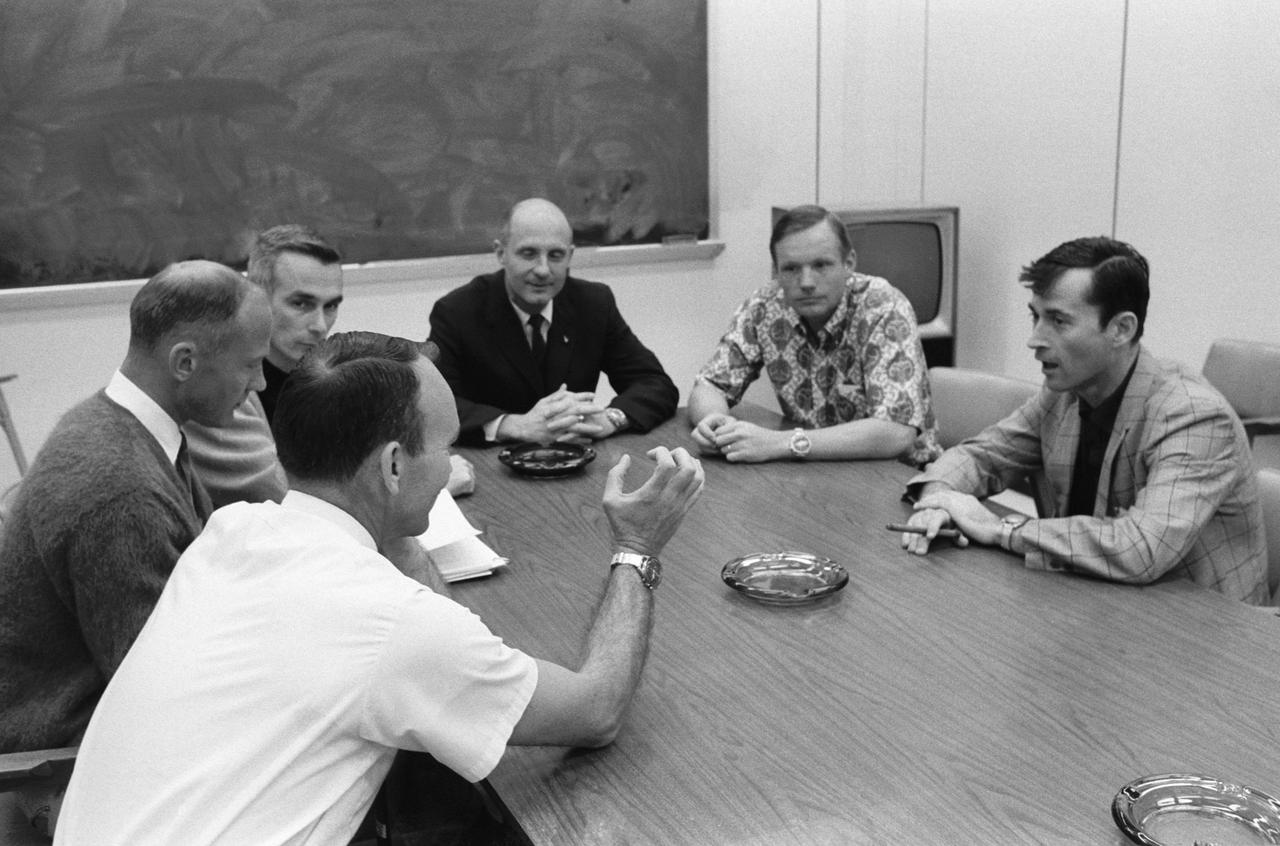
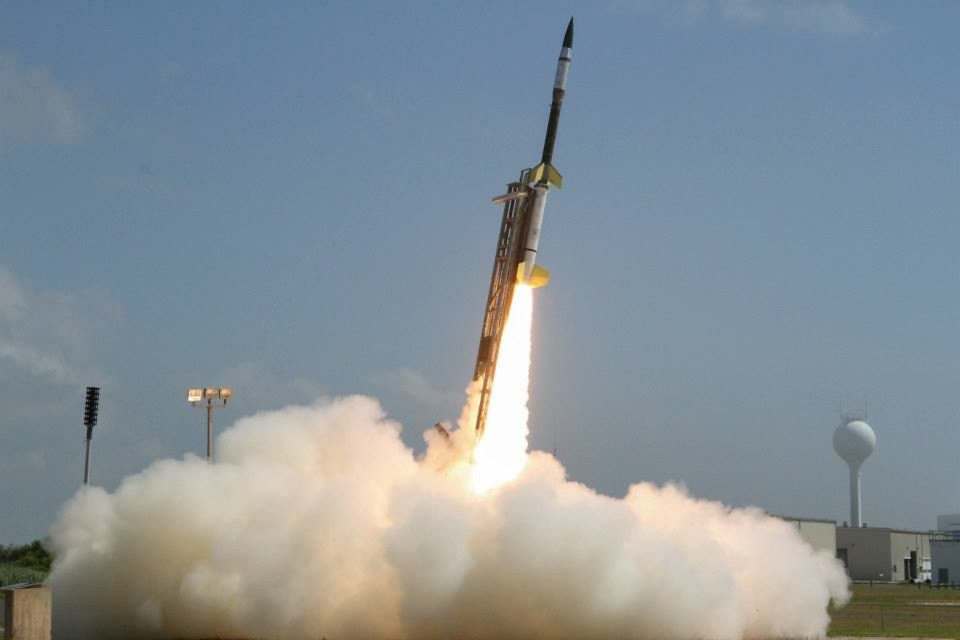
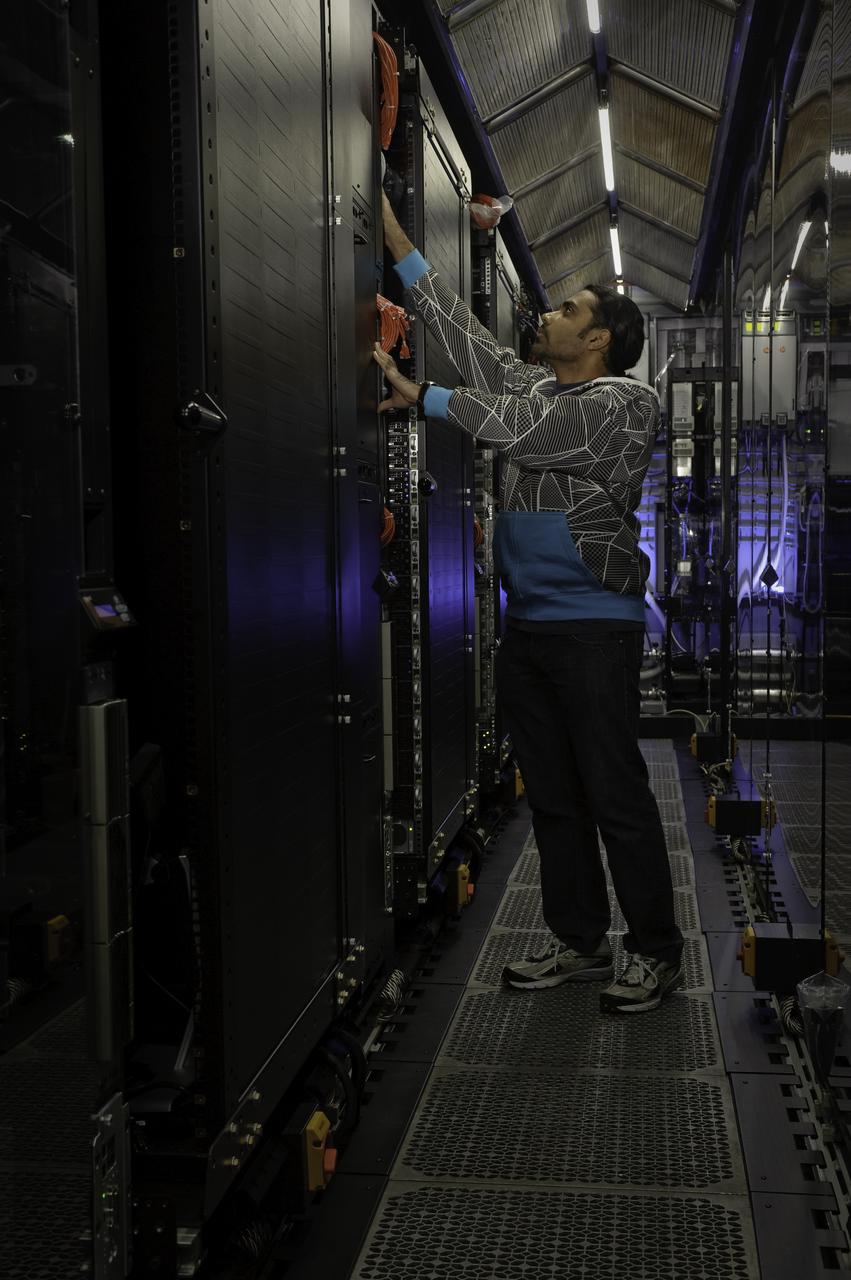
Did you spend part of your summer camping, hiking, at the pool, or in an aircraft? So did NASA’s 2025 Astronaut Candidate Class.
nasa.gov
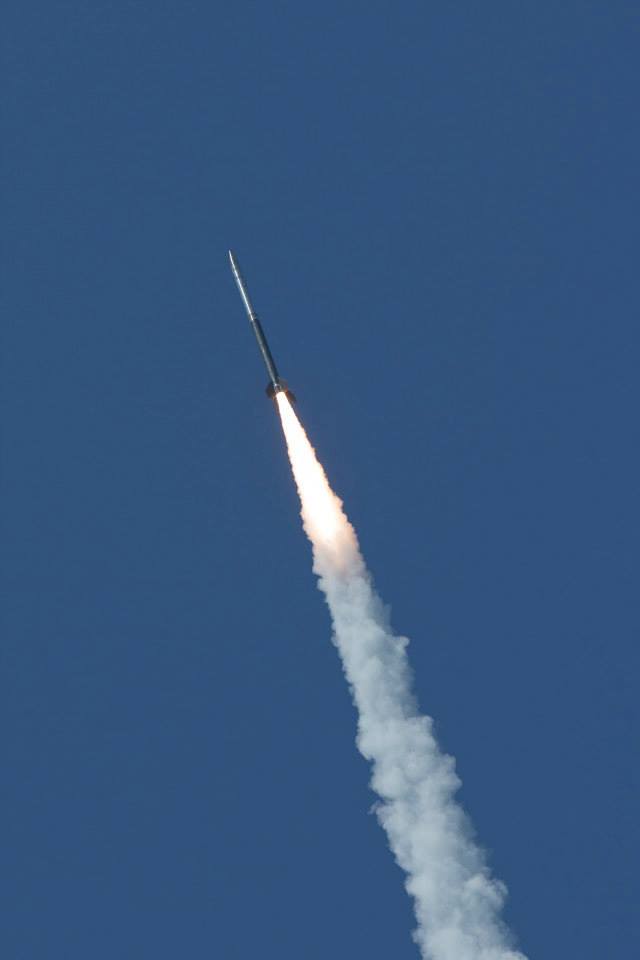
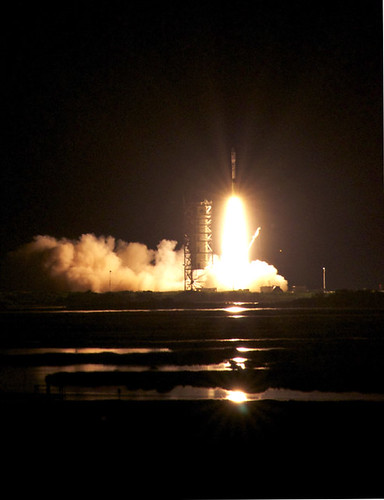
Igniting Roman's Journey - NASA
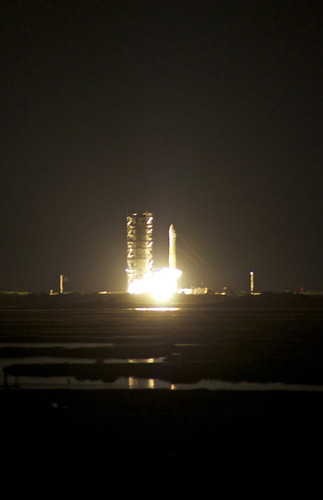
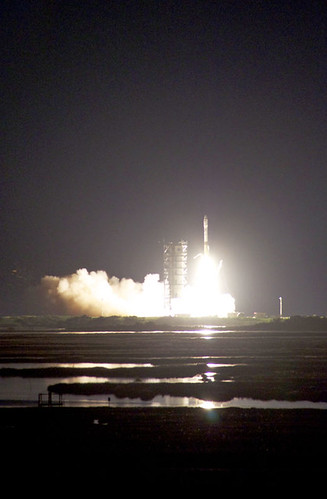
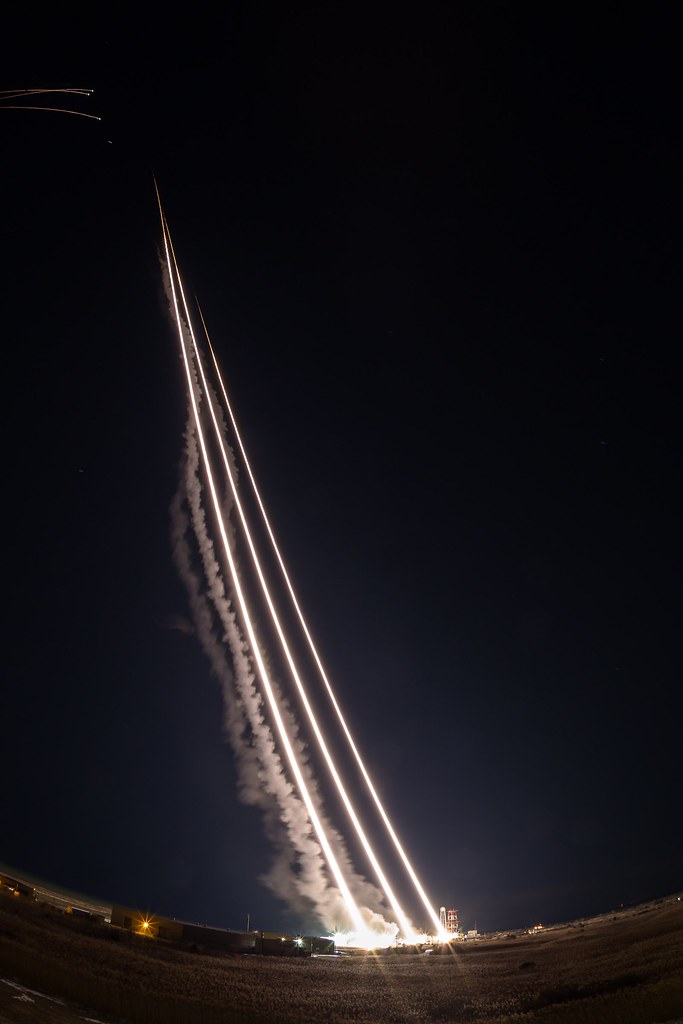
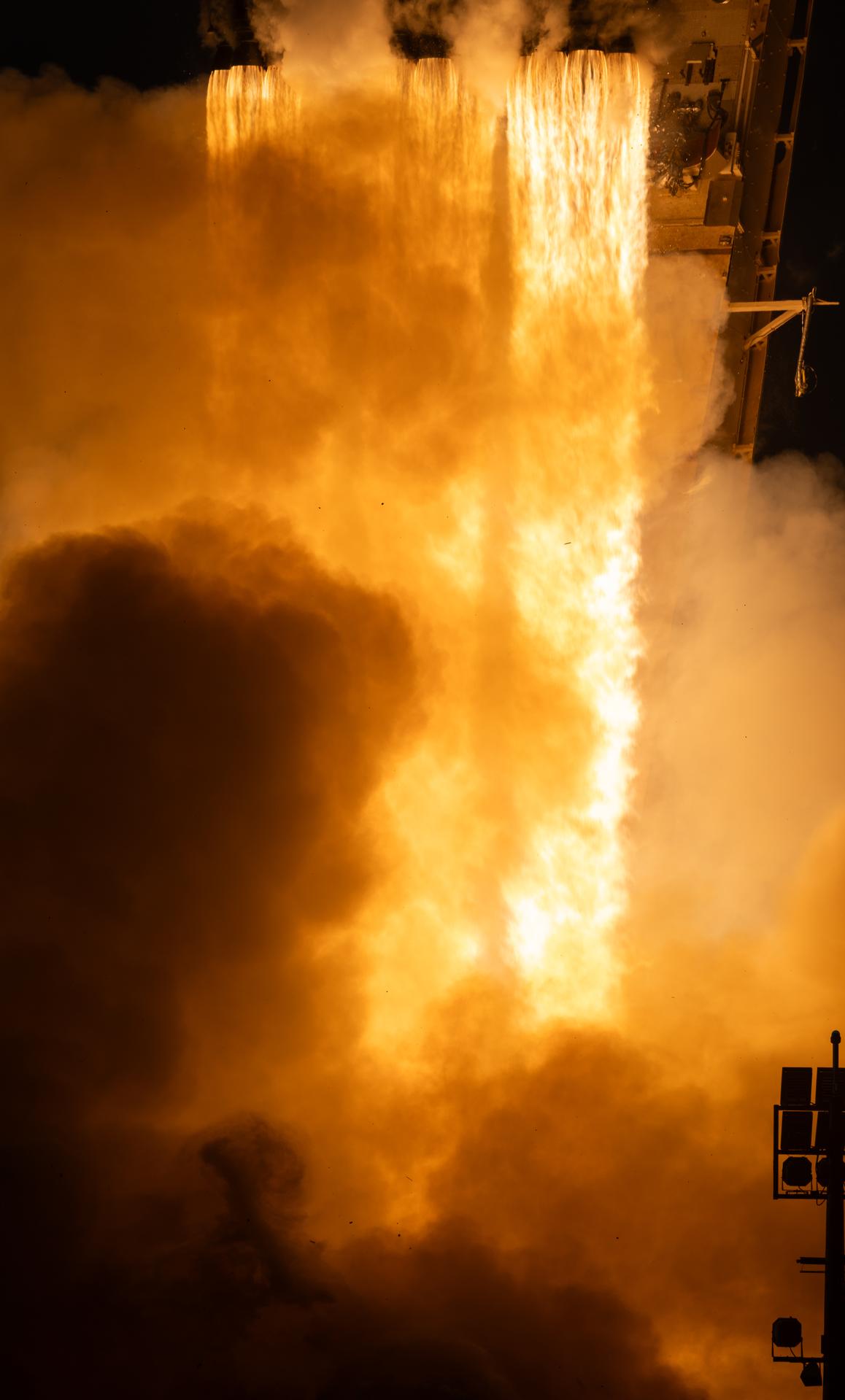
Now on a three-month, million-mile journey to its final orbit, NASA’s Nancy Grace Roman Space Telescope will soon reveal the universe’s darkest secrets. The
nasa.gov
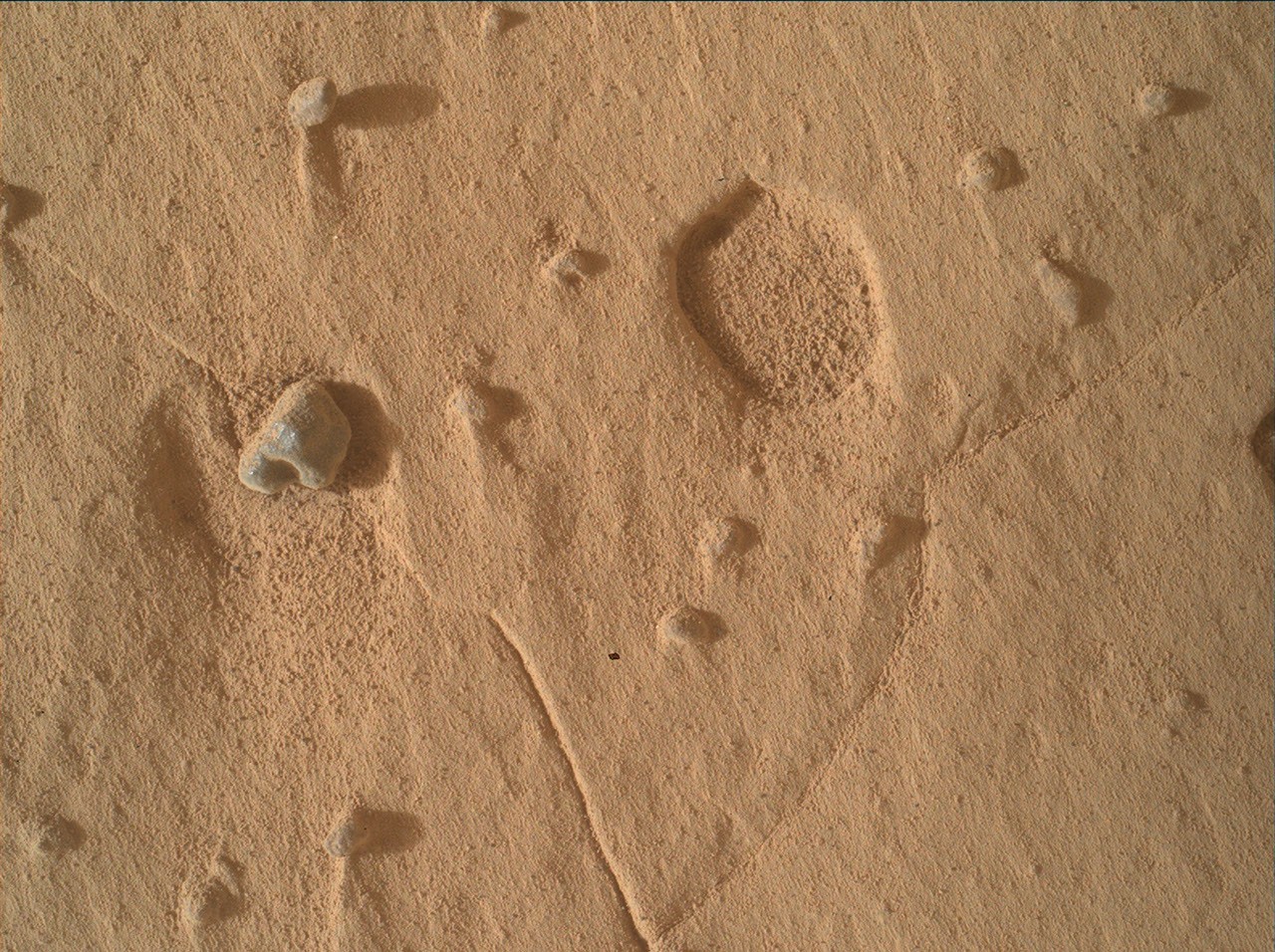
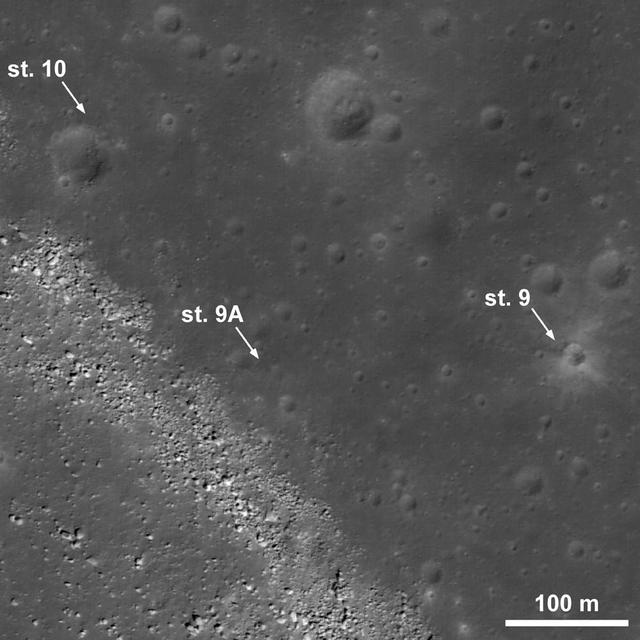
Curiosity Blog, Sols 4988-4994: More New Tricks for an Old Dog - NASA Science
Written by Michelle Minitti, MAHLI Deputy Principal Investigator
science.nasa.gov
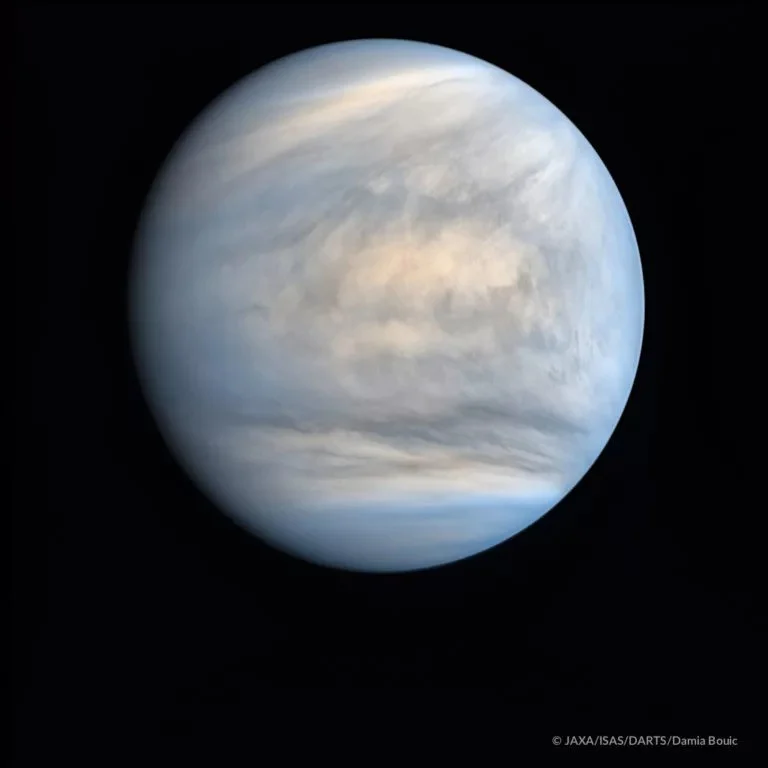
Could life exist on Venus? Peptides survive harsh acid.
The planet Venus is arguably the most mischievous planetary body in the solar system. This is because like Saturn’s largest moon, Titan, Venus is shrouded in a thick atmosphere that can’t be viewed with optical telescopes and require radar images to see the surface. Unlike Titan, whose atmosphere looks quite dull, Venus’s swirling and awe-inspiring clouds give observers the impression that its surface is covered in wonderous features. However, the truth is far from ideal, as Venus’s surface is a living hell with searing temperatures and crushing pressures. But, unlike its surface and Titan, Venus’s atmosphere provides many more ideal conditions, even Earth-like conditions. But while life would be hard to exist on its surface, could we find life in the atmospheric clouds of Venus?
universetoday.com
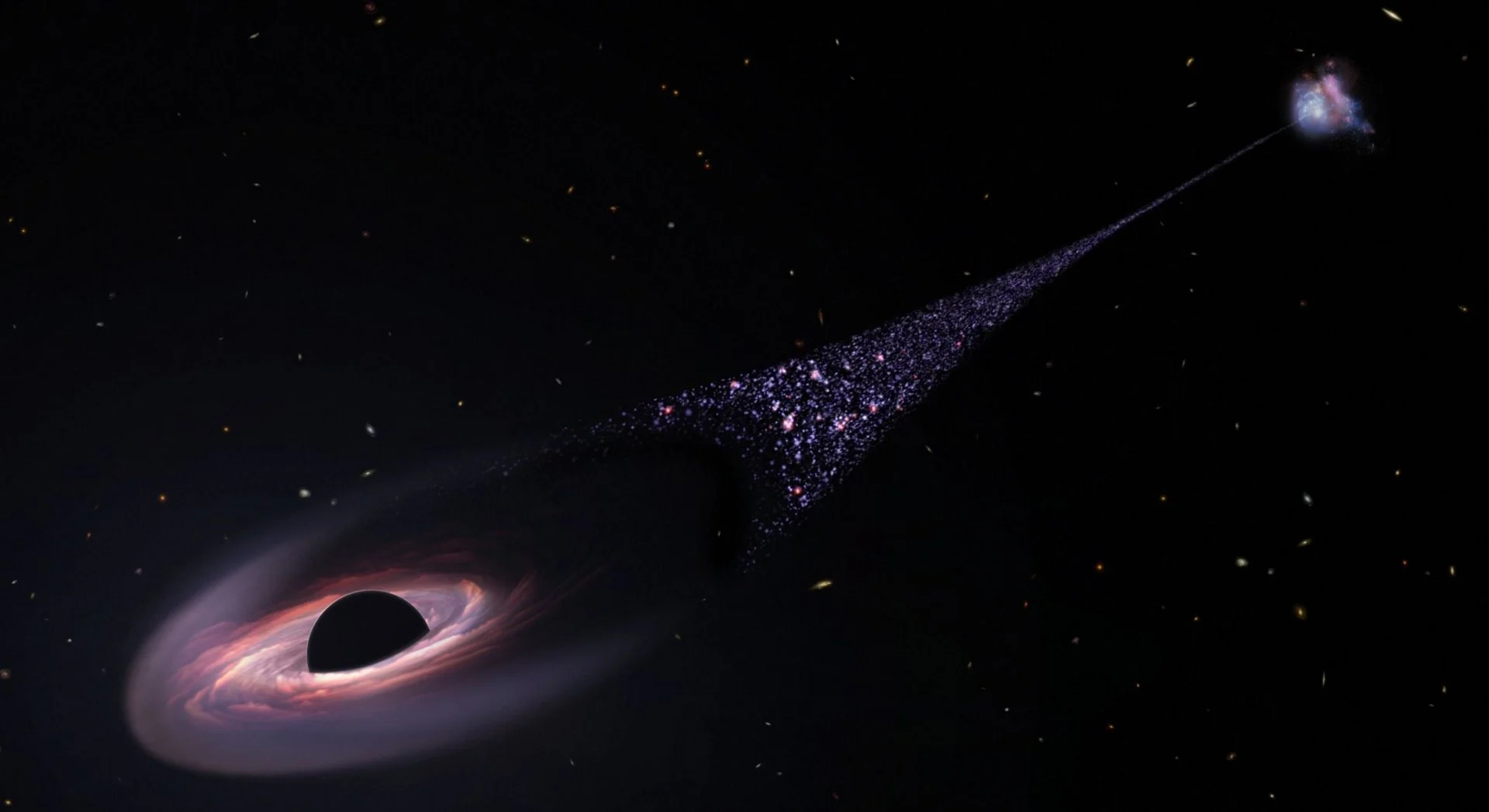
Physicists Determine Cause of "Runaway" Supermassive Black Hole
Researchers at UCSB and UT Austin have determined that a galactic merger kicked a supermassive black hole into intergalactic space.
universetoday.com
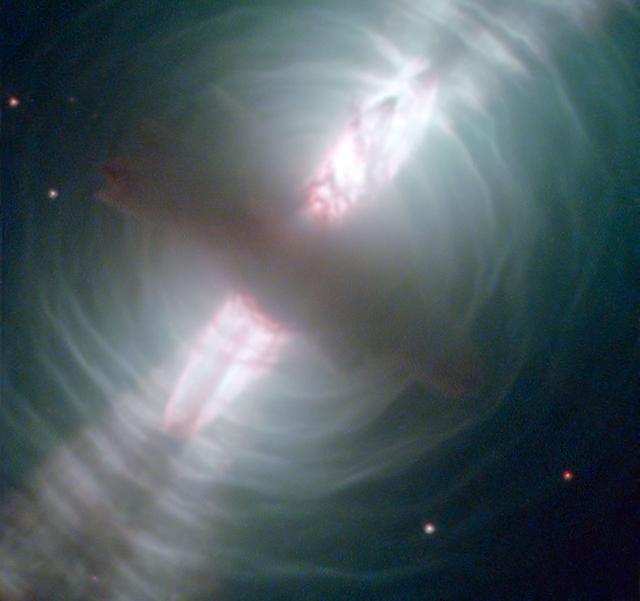
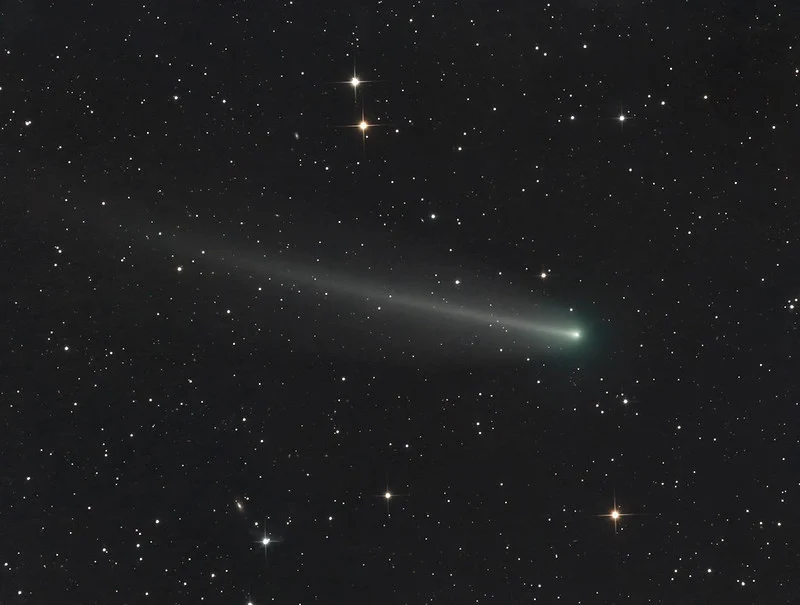
Comet 220P McNaught Puts On An Encore Performance
It has been a busy month for astronomy. In the midst of an eclipse season bookended by the total solar eclipse on August 12th and the deep partial lunar eclipse coming right up this week on August 28th, an outbound comet hanging high in the dawn sky just refuses to die: 220P/McNaught.
universetoday.com
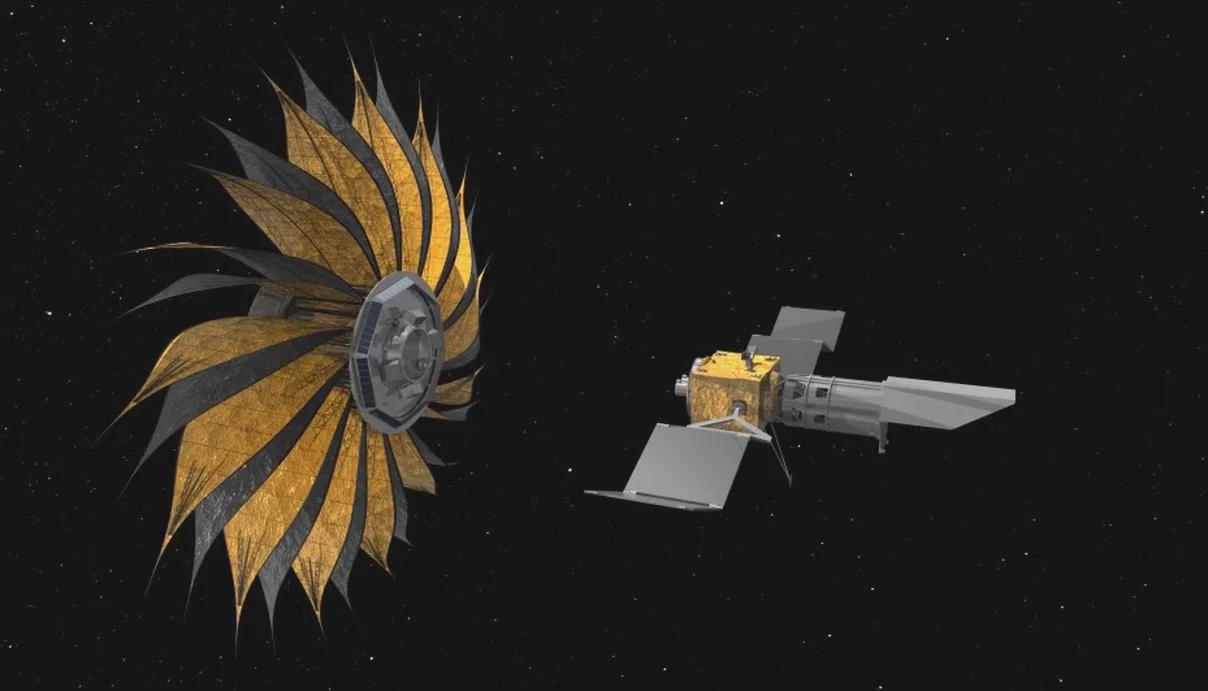
NASA Starshade Would Enable Astronomers To Directly Image Rocky Exoworlds
Innovative NASA-funded orbital starshade could help capture first direct images from extrasolar earths.
universetoday.com
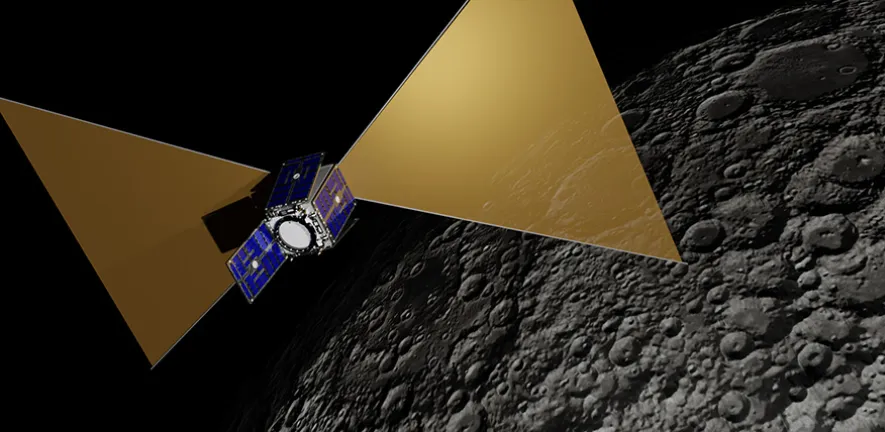
The CosmoCube Satellite Will Listen to the Early Universe From the Far Side of the Moon
A tiny UK-developed satellite, roughly the size of a small carry-on suitcase, could help answer one of the biggest questions in cosmology: what happened in the roughly 150 million years of cosmic dark ages, before the universe’s first stars appeared?
universetoday.com
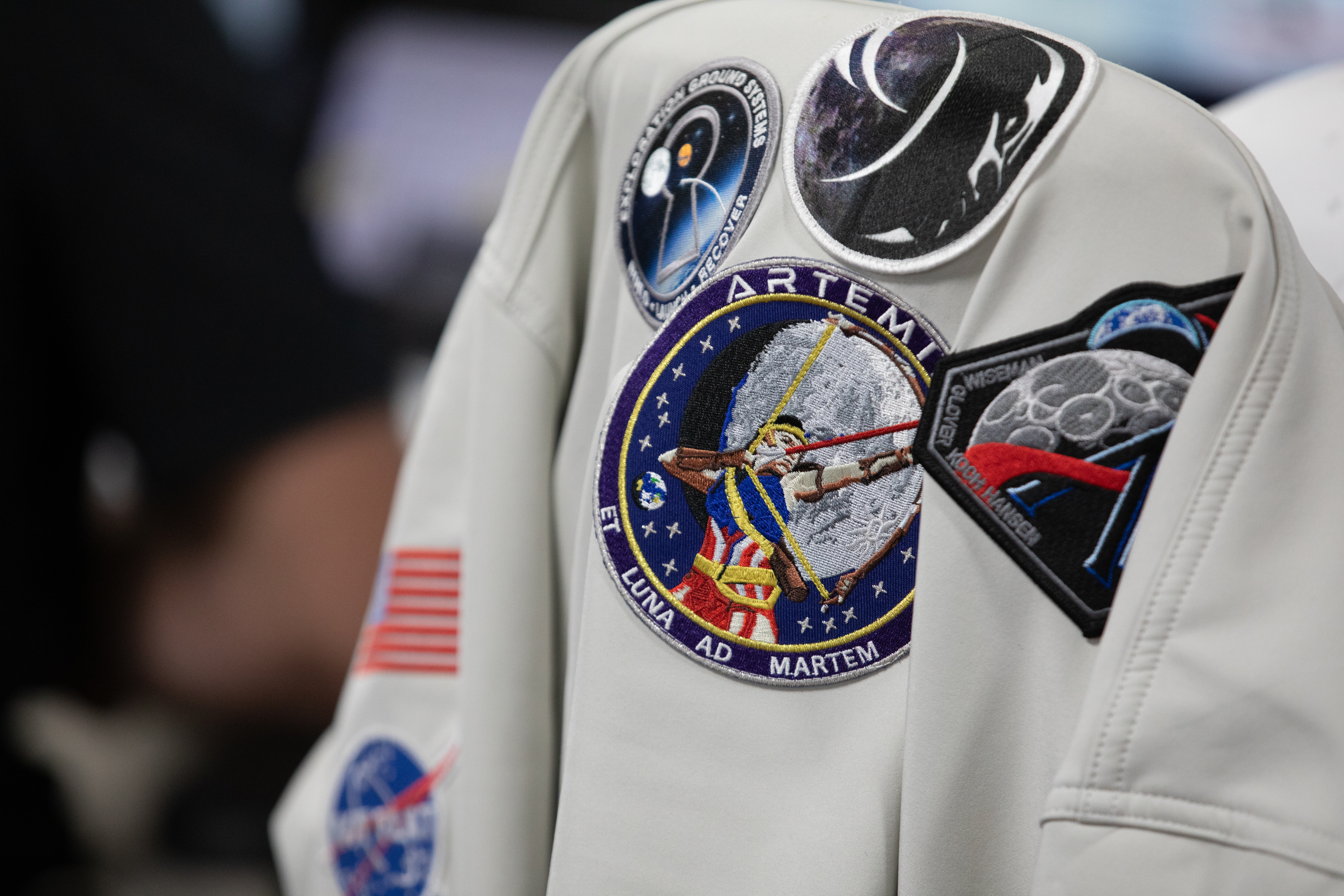
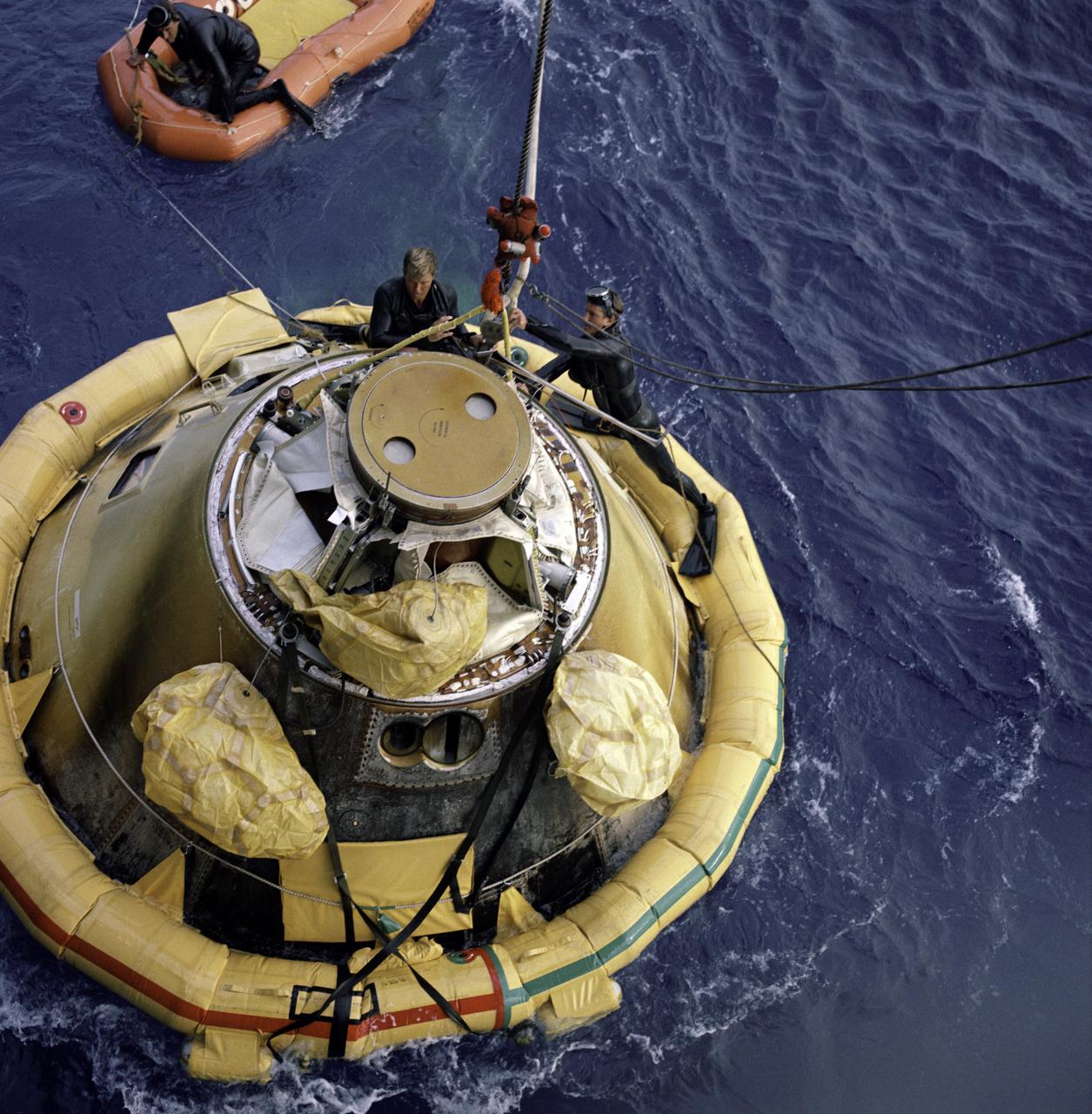
Artemis Mission Patches - NASA
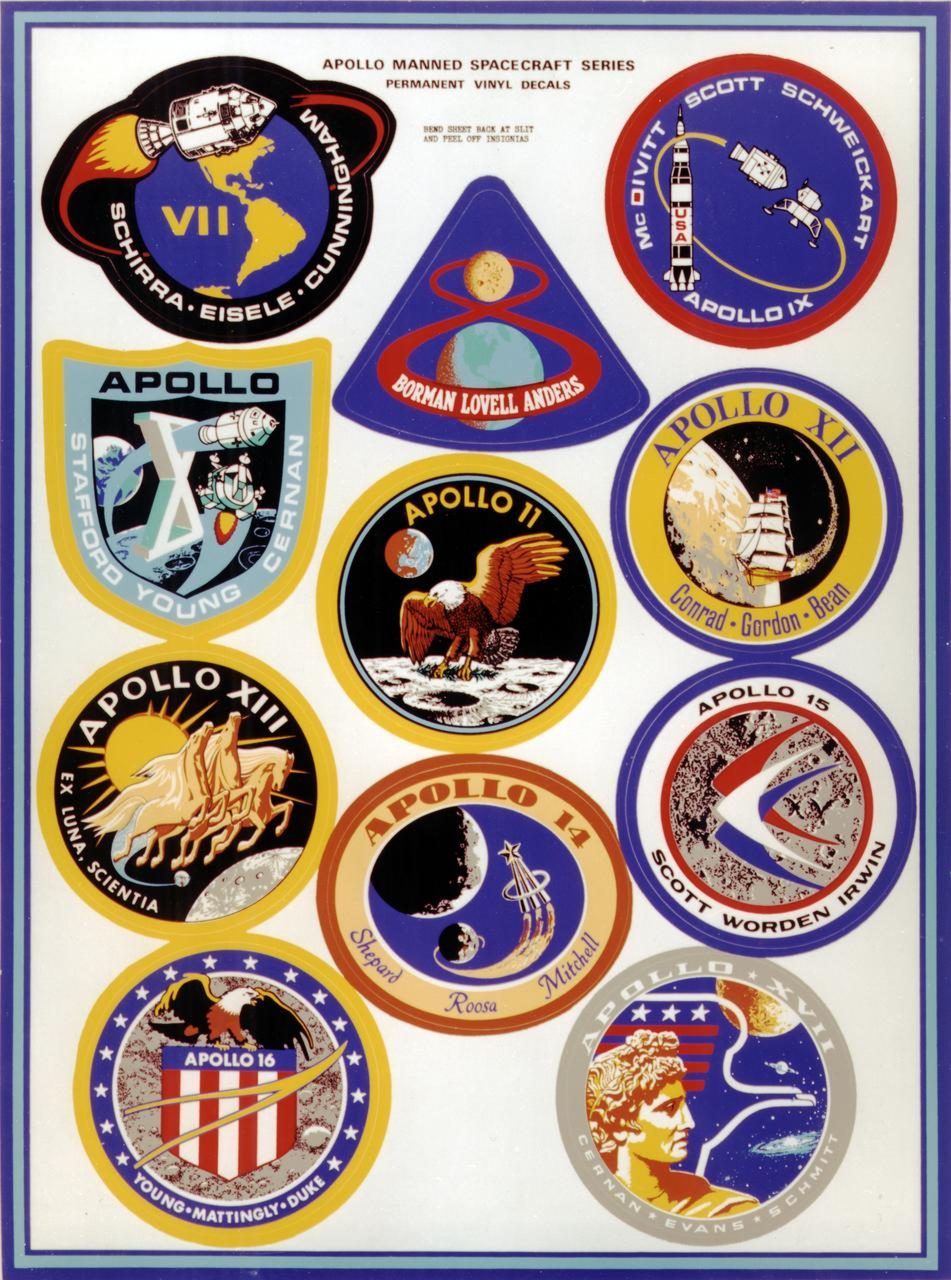
A jacket decorated with Artemis I and II mission patches, along with other NASA patches hangs on the back of a chair on Thursday, Aug. 6, 2026, inside the
nasa.gov
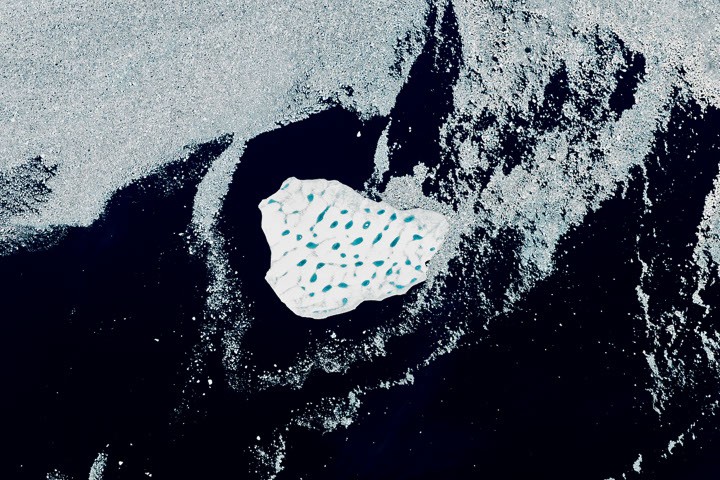
An Uncommon Drifter in the Denmark Strait - NASA Science
A large iceberg, observed in summer 2026, had drifted more than 1,000 kilometers south from the northeastern Greenland bay where it likely originated.
science.nasa.gov
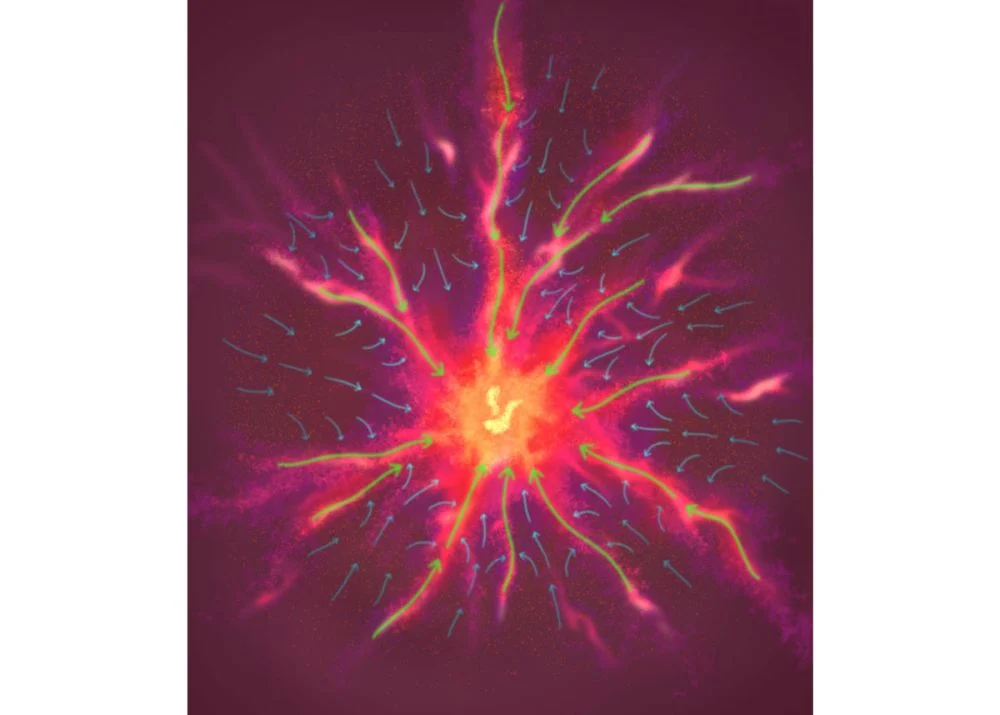
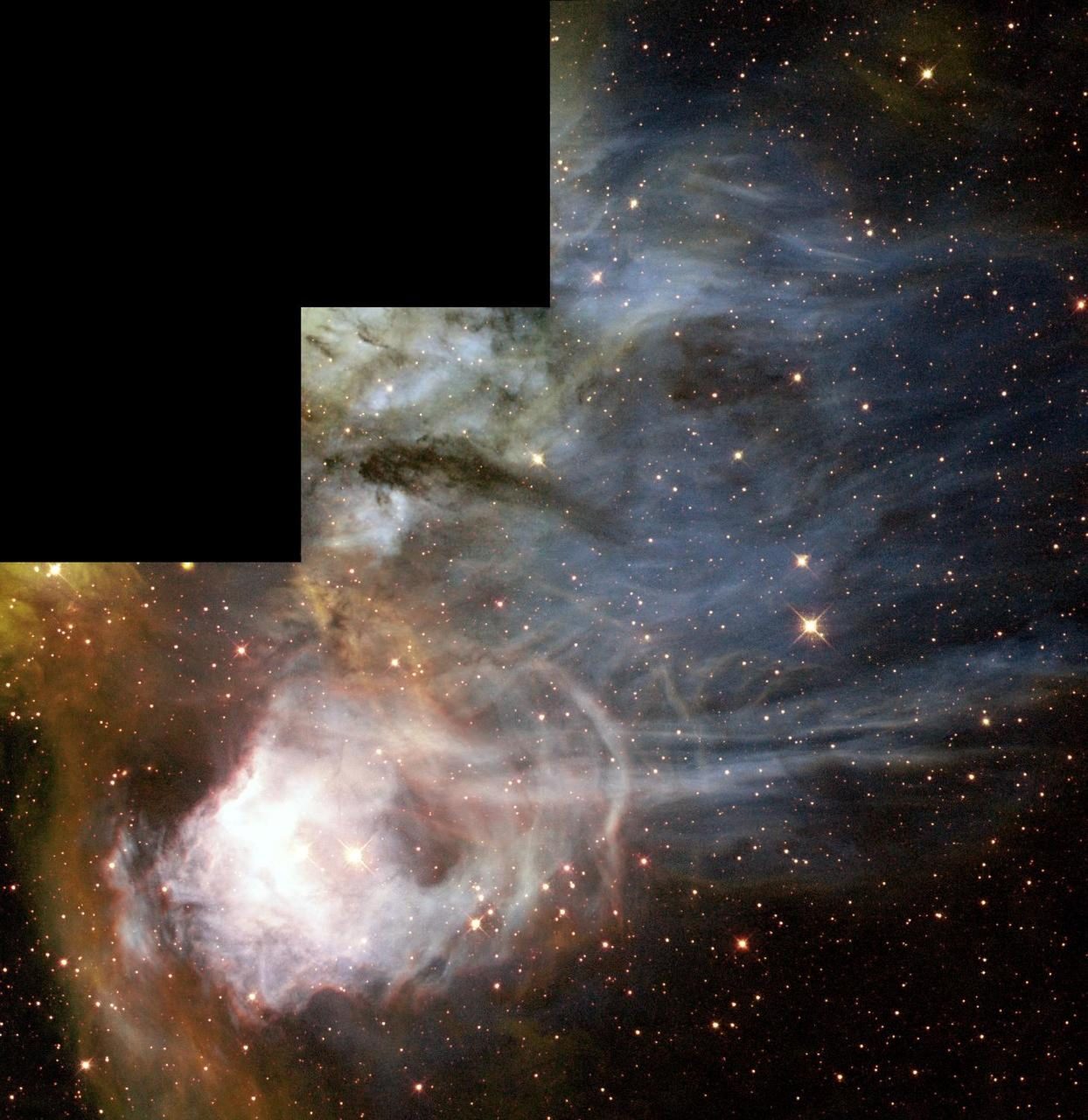
How Gas Filaments and Interfilaments Feed Star Formation in Monoceros R2
Researchers studied gas flows in the Monoceros R2 star forming region to understand how gas is channeled into star forming hubs. By tracing the flow of carbon monoxide, they found that a system of hub-filaments and interfilaments are responsible for feeding gas into star-forming locations. The filaments move most of the gas, but the interfilaments play a role too, especially by feeding more gas into the main filaments.
universetoday.com
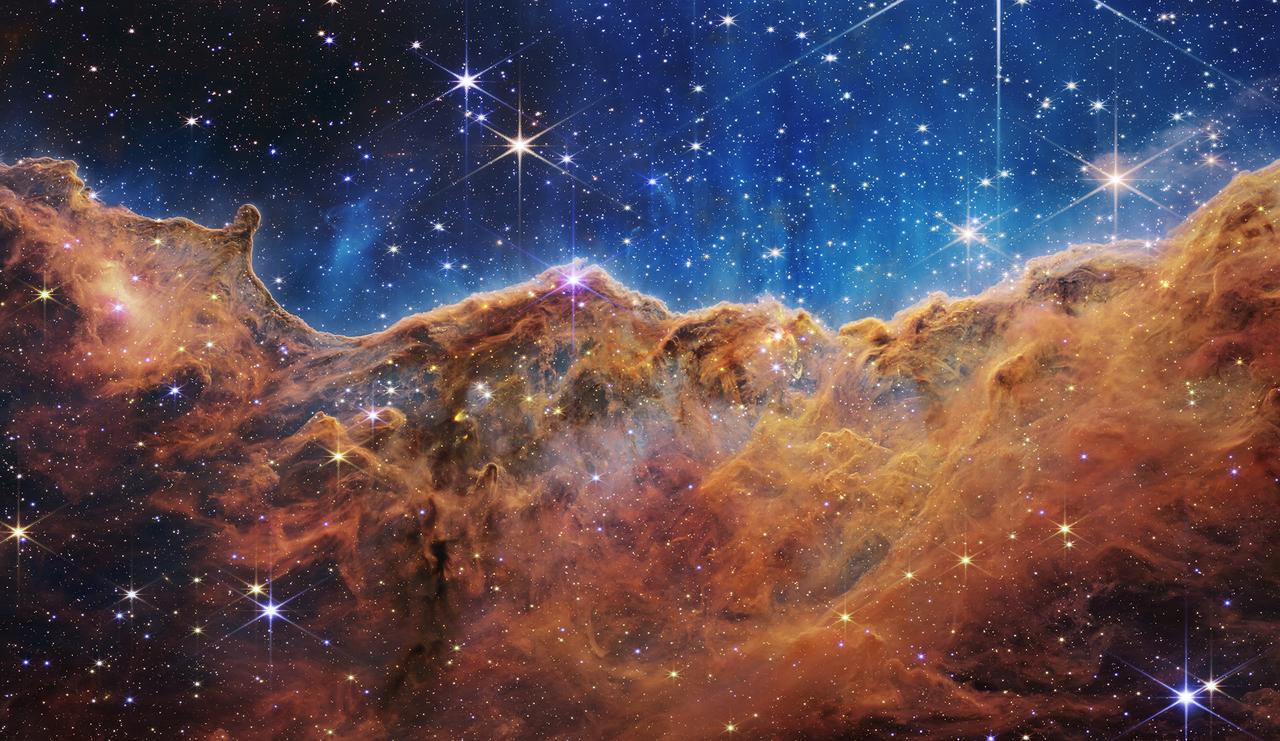
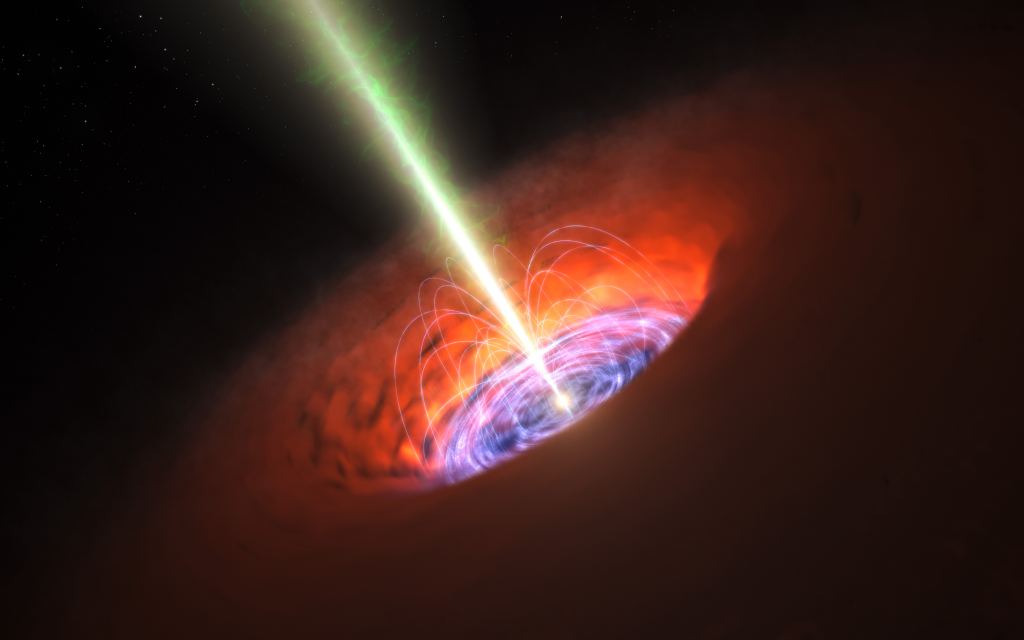
Massive Exoplanets Could Form Around Supermassive Black Holes
Black holes aren't just engines of inexorable destruction. They're complex regions of space and time, and under the right conditions, giant planets can form in their AGN disks.
universetoday.com