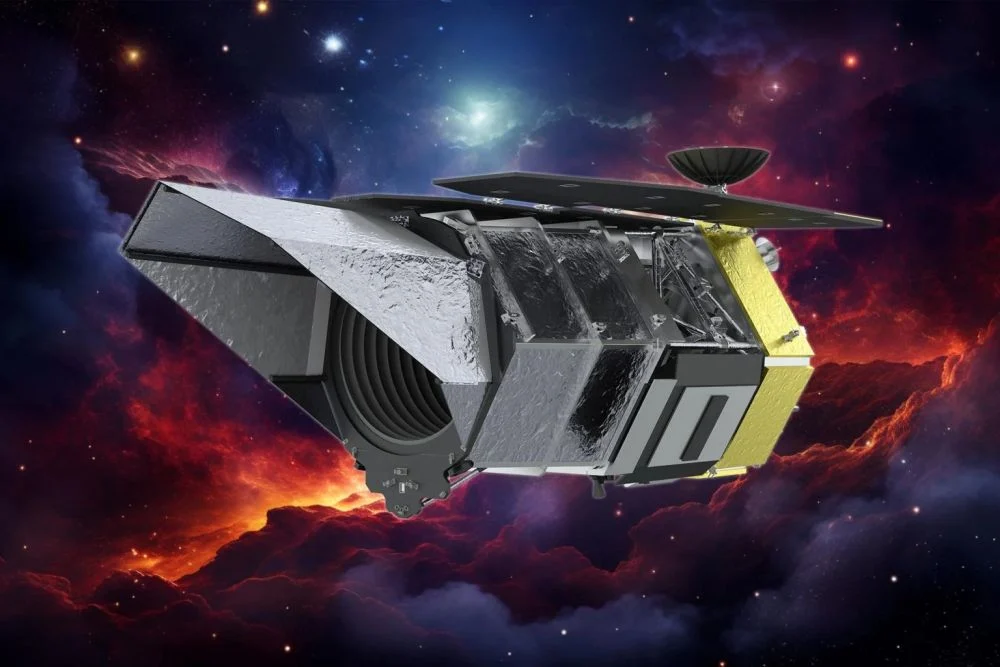
From 10 to 22 years: The Nancy Grace Roman Space Telescope's Mission Has Just Been Extended.
More good news for NASA's Nancy Grace Roman Space Telescope. The telescope's first mid-course correction was extremely efficient, using only 10% of the fuel allotted for it. This efficiency, coupled with other factors, means the powerful space telescope will likely have an additional ~12 years of observing time.
universetoday.com
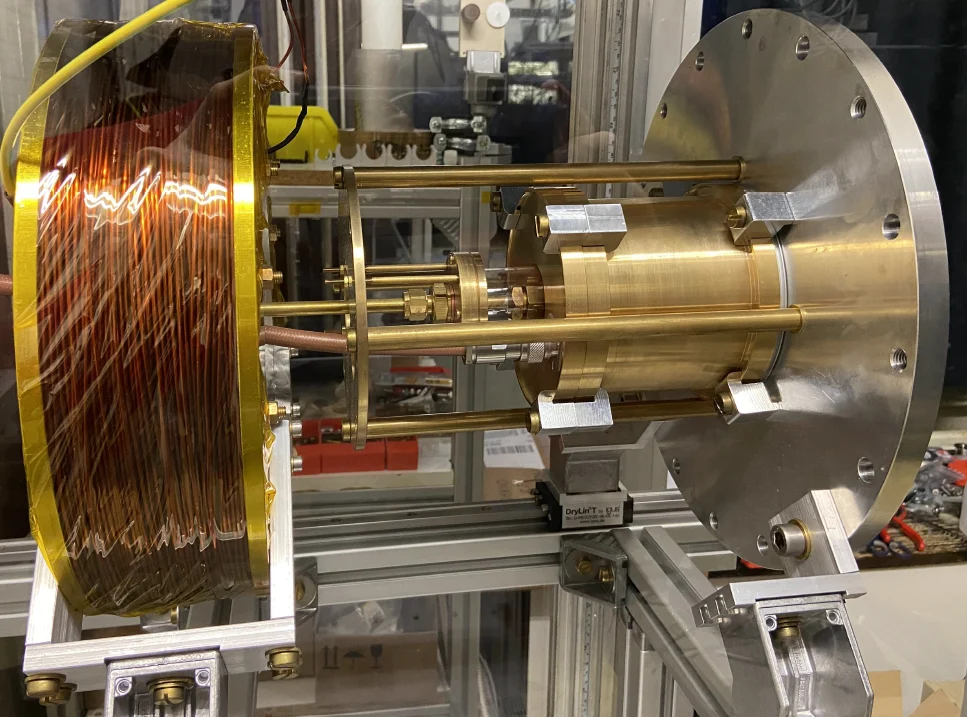
A New Design For A Plasma Engine Fuels On Only Thin Air
Choosing what orbit to put a satellite in always comes with trade-offs. When it comes to Very Low Earth Orbit (VLEO), between 100-450 km, there are distinct advantages. Remote sensing cameras can take better pictures, comms and radar require less power, and atmospheric drag will automatically clean up dead satellites. But there’s also a cost - air friction requires any satellite in this orbit to use an engine near constantly to stay in orbit, which in turn requires fuel - typically in the form of expensive gases like Xenon. So, as part of his PhD thesis at the University of Stuttgart, which is available in arXiv, Francesco Romano decided to solve that problem by using the very air molecules that cause that friction as fuel for a plasma engine to keep satellites aloft indefinitely in VLEO.
universetoday.com
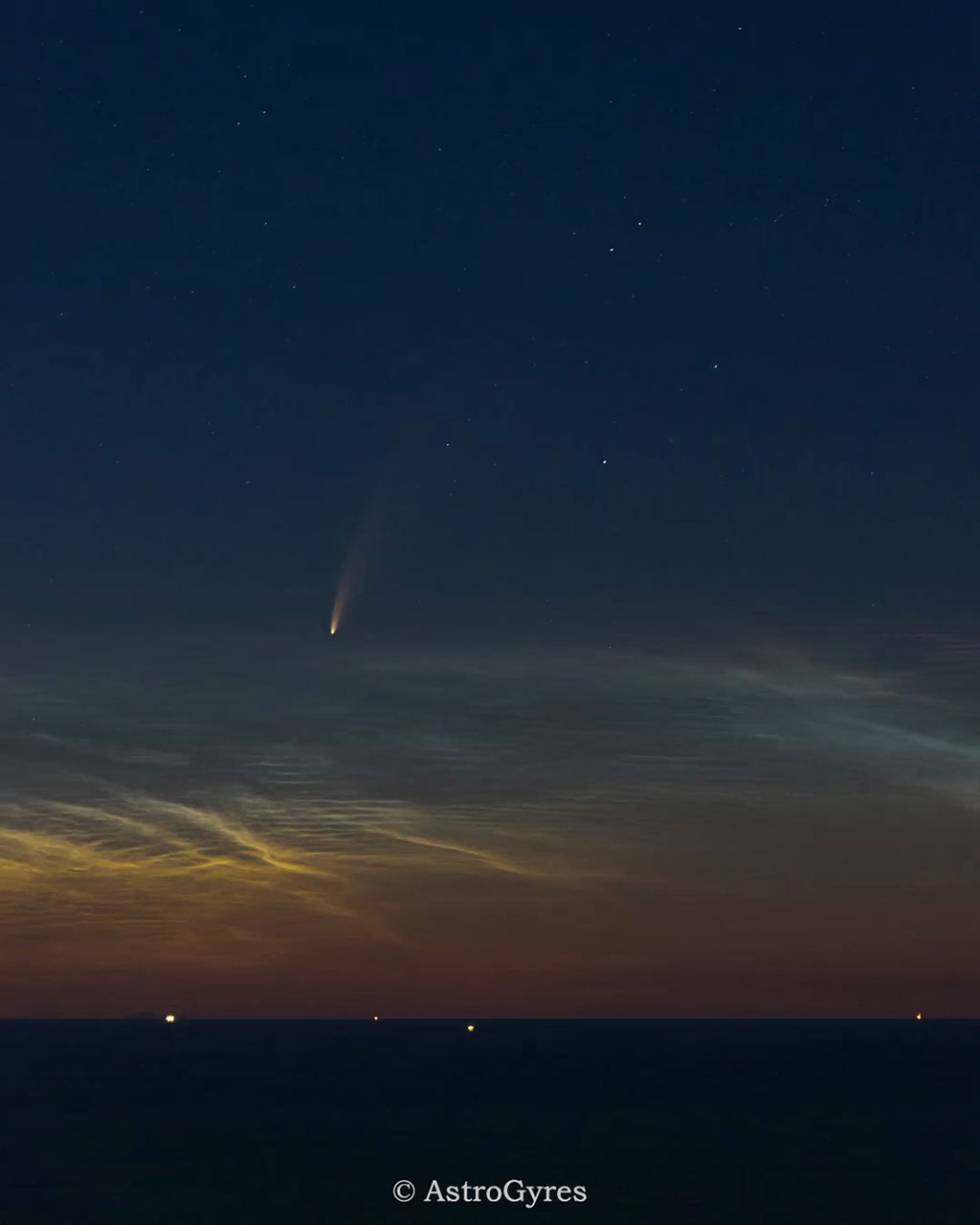
APOD: 2026 September 13 - Comet NEOWISE Rising over the Adriatic Sea - NASA Science
science.nasa.gov
NASA Invites Media to Djibouti Artemis Accords Signing Ceremony - NASA
The Republic of Djibouti will sign the Artemis Accords during a ceremony at 11 a.m. EDT, Monday, Sept. 14, at NASA Headquarters in Washington, becoming the
nasa.gov
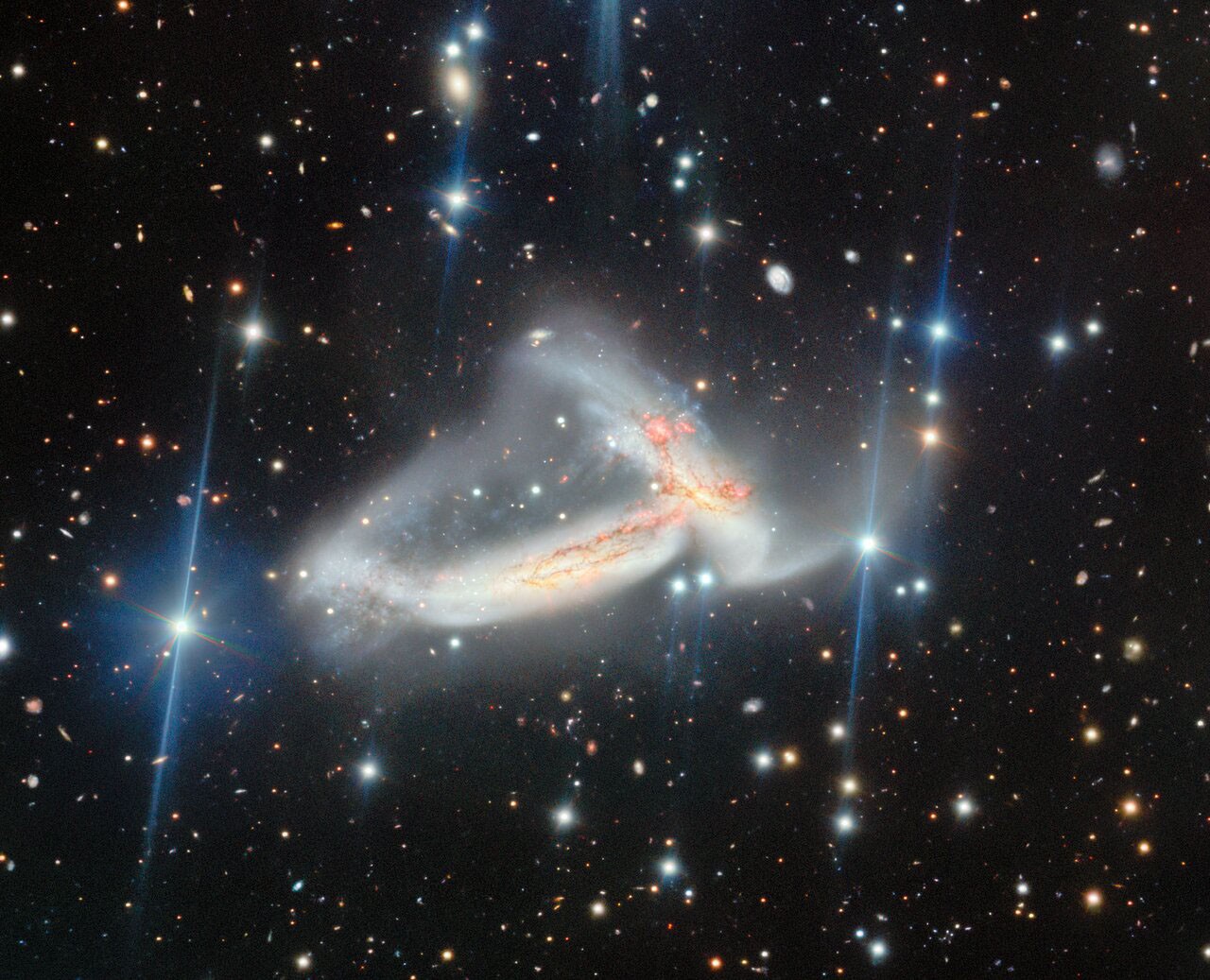
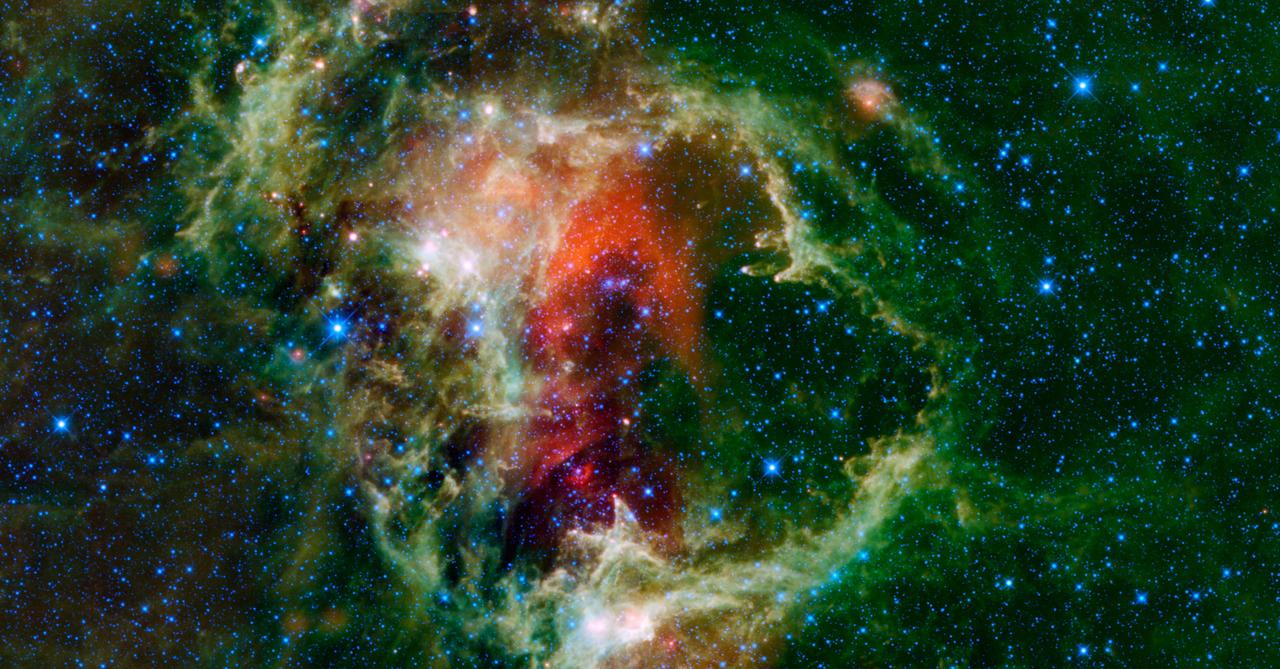
APOD: 2026 September 4 - Na Uhane Mahoe Huki Pu i ke Ola - NASA Science
science.nasa.gov
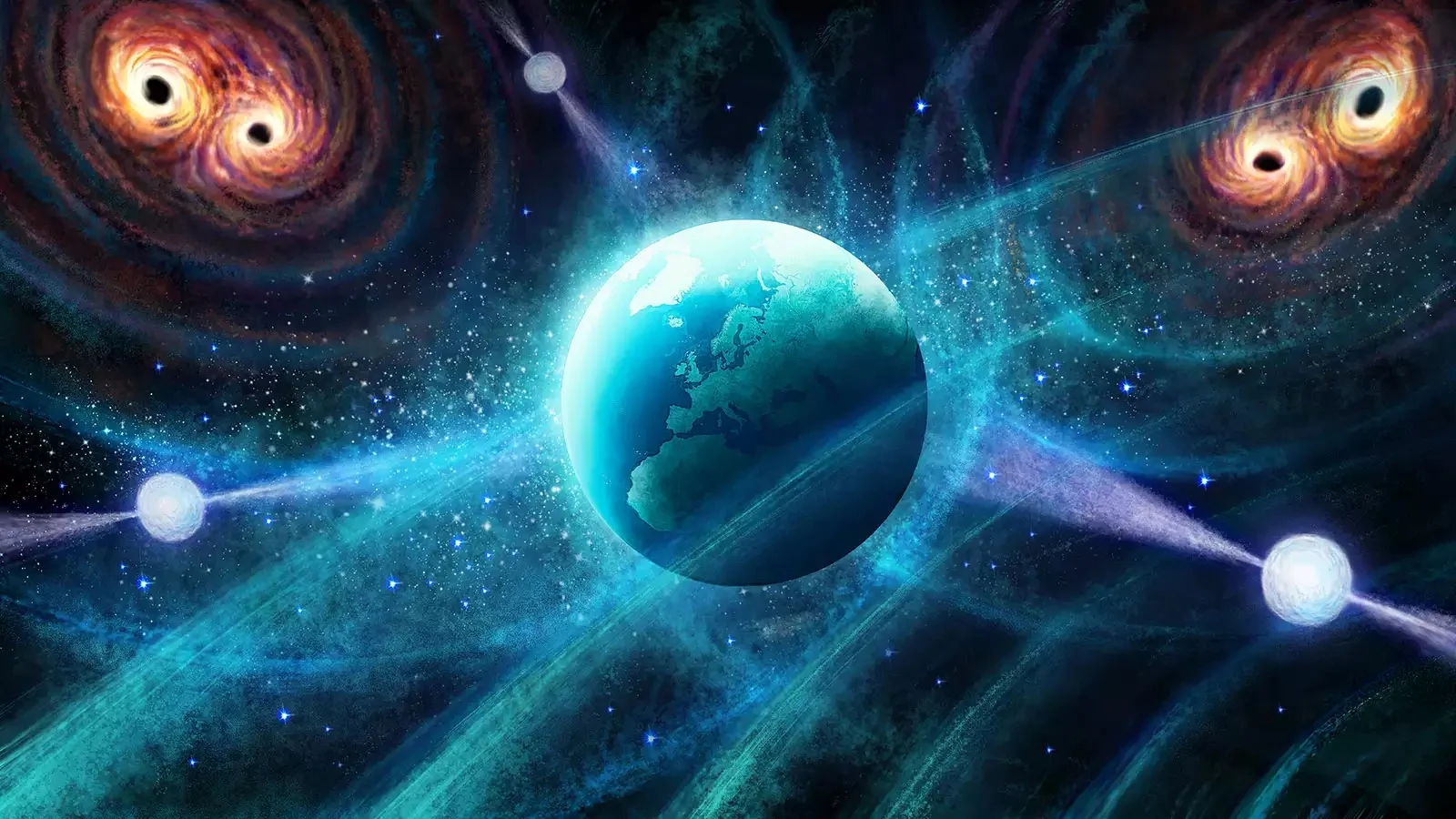
Pulsar Timing Arrays Could Look for Evidence of Dark Matter Stars
Pulsar Timing Arrays have been used to observe the background of gravitational waves in our galaxy. We aren't certain of their origin, but a new study shows a strong source could be early supermassive giants known as dark stars.
universetoday.com
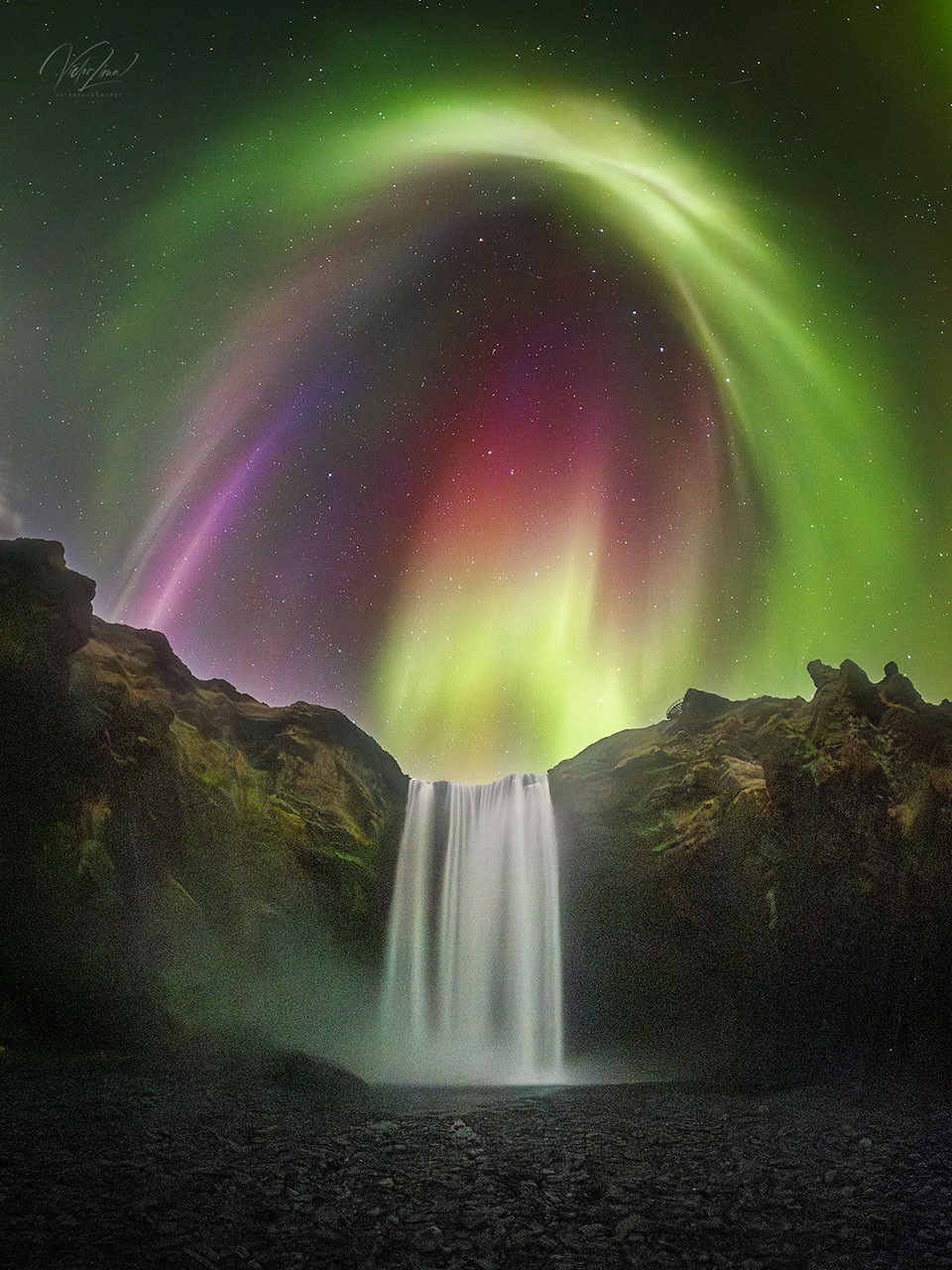
APOD: 2026 August 27 - Colorful Aurora over an Icelandic Waterfall - NASA Science
science.nasa.gov
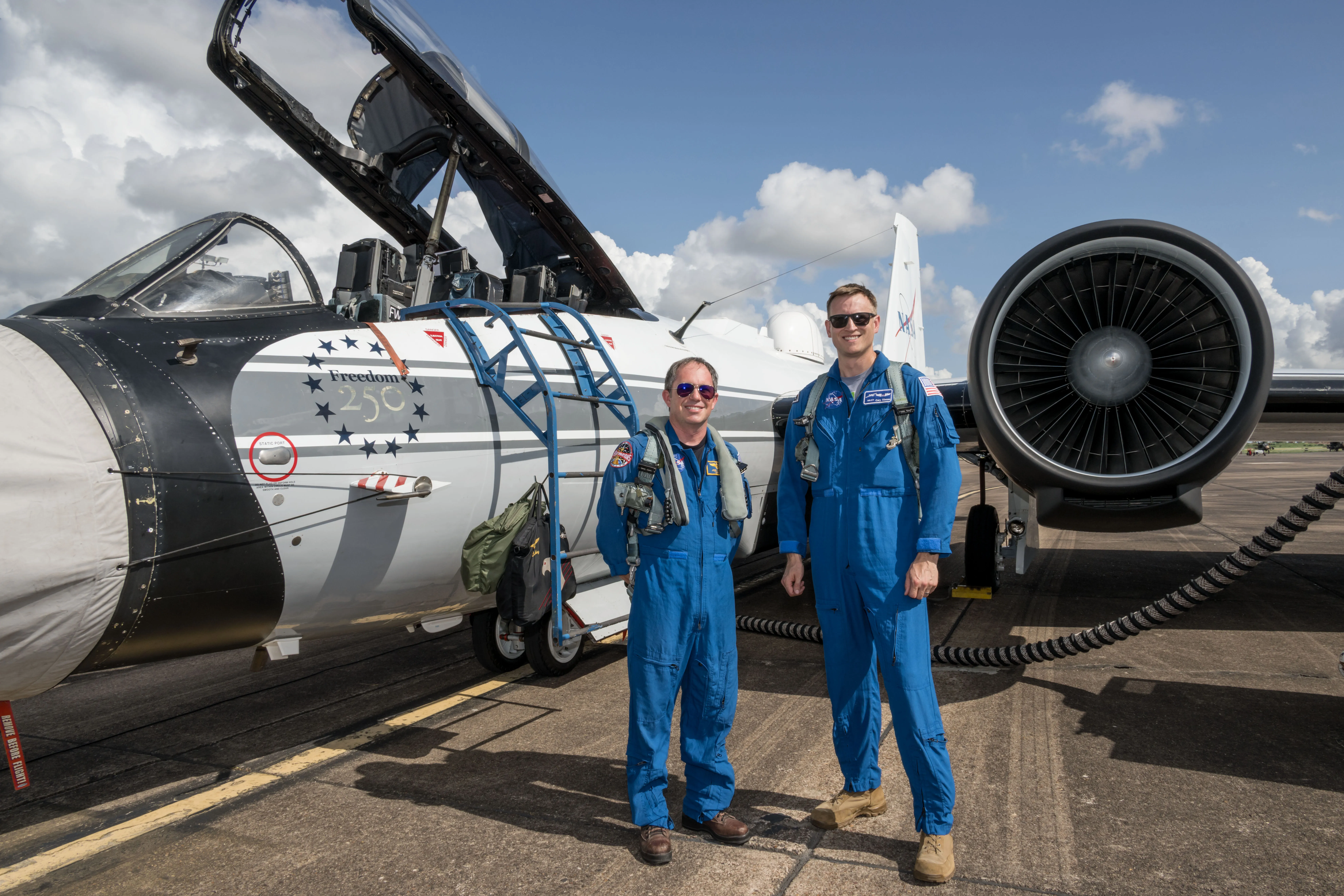
NASA Johnson Pilots Chase Moon’s Shadow for Eclipse Science - NASA
Pilots from NASA’s Johnson Space Center flew the WB-57F high altitude research aircraft from Ellington Field in
nasa.gov
TB 26-04 Updates and Modernization of NASA’s Chemical Equilibrium with Applications (CEA) Code - NASA
For more information, contact Mark K. Leader, Glenn Research Center, mark.leader@nasa.gov
nasa.gov
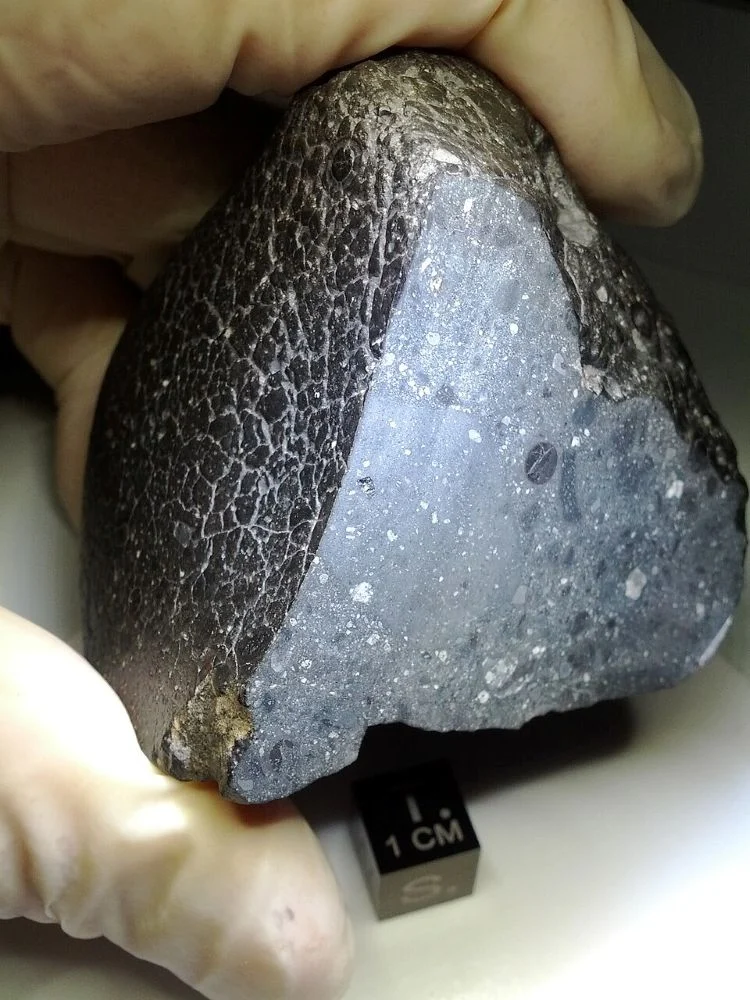
Dry Martian Meteorite Reveals Early Water in Mars's Crust
Billions of years ago, Mars was hypothesized to have been a habitable world with flowing liquid water and the potential for life. But directly studying its ancient past is currently limited to orbiters and rovers, as scientists have yet to obtain direct samples from Mars. However, meteorites have been found on Earth to have potentially originated from Mars during large impacts that flung chunks of the Red Planet into space, eventually being grabbed by Earth’s gravity and crashing into the Earth’s surface.
universetoday.com
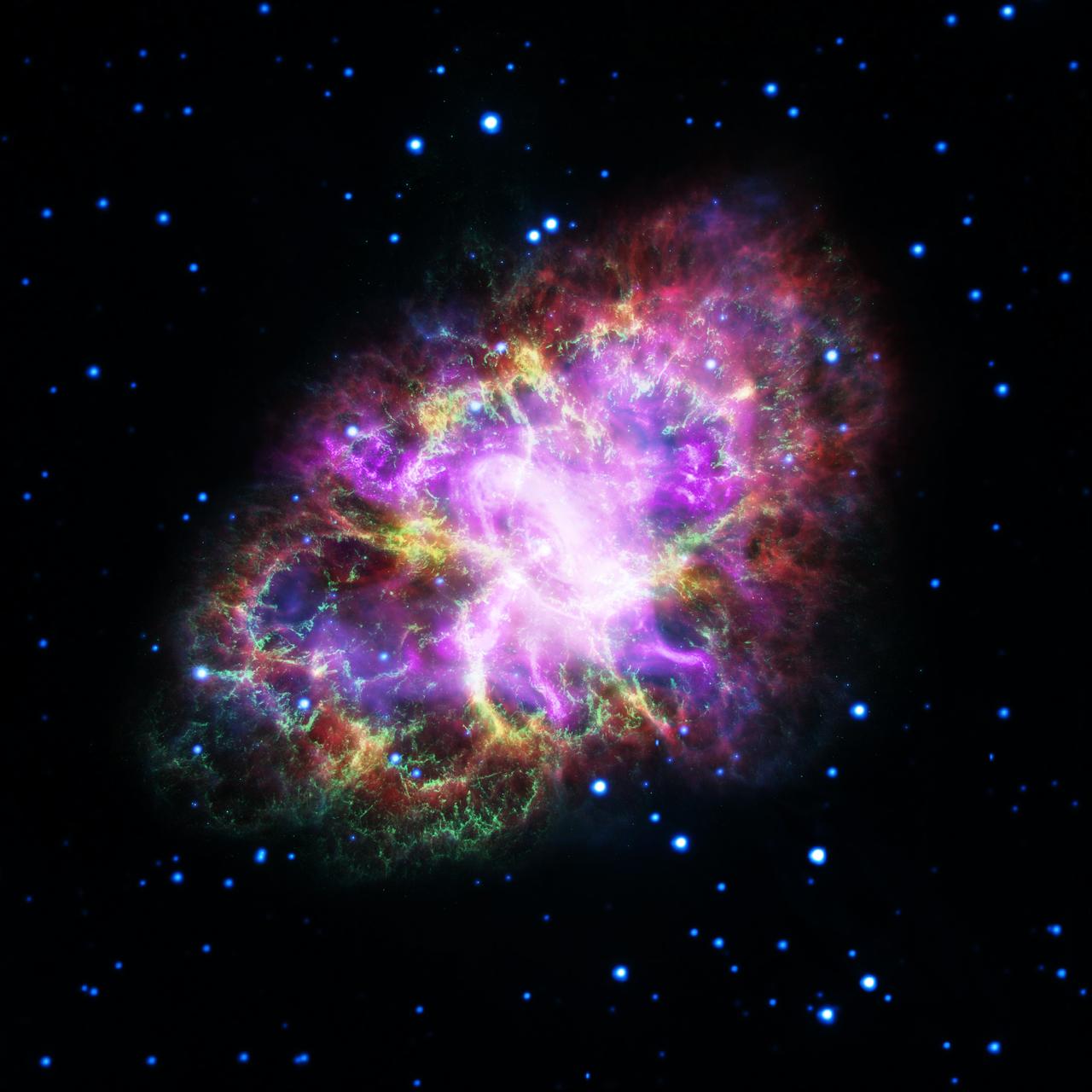
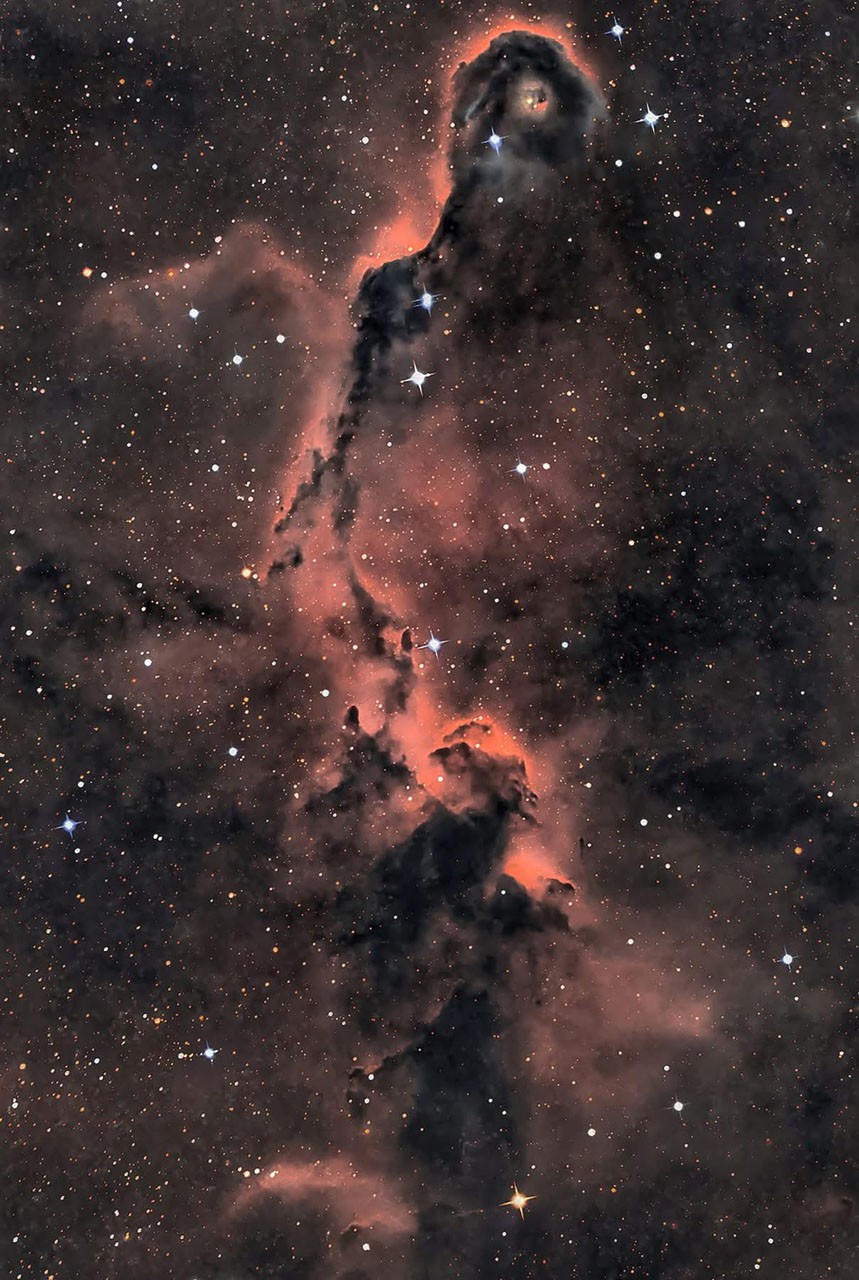
APOD: 2026 August 20 - The Elephant's Trunk in Cepheus - NASA Science
science.nasa.gov
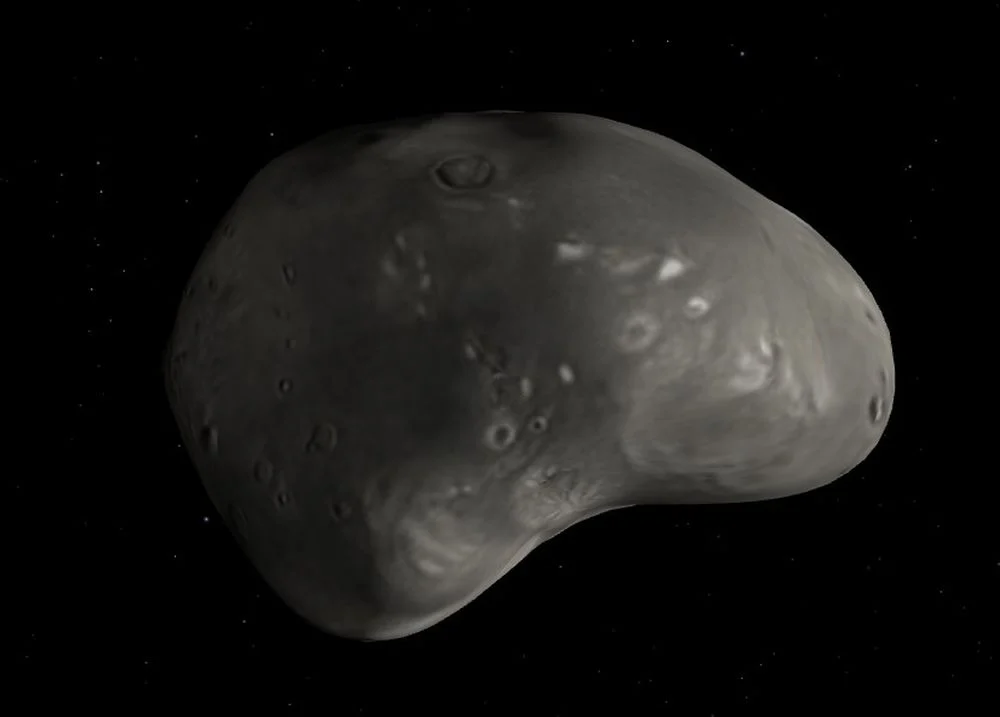
Mars's Funky Moon Deimos was Shaped by an Impact
Mars' moon Deimos has a large crater on its southern pole. It's also covered by a layer of regolith so deep it buries many other, smaller craters. New research shows that an impact is responsible for both, and that the moon is rather fragile and porous, like a rubble pile asteroid.
universetoday.com
NASA Selects University Teams to Help Advance Aviation Research
NASA has selected four university teams to help the agency transform the future of aviation through projects ranging from high-supersonic propulsion systems to low-noise routes for small aircraft flying through cities.
nasa.gov
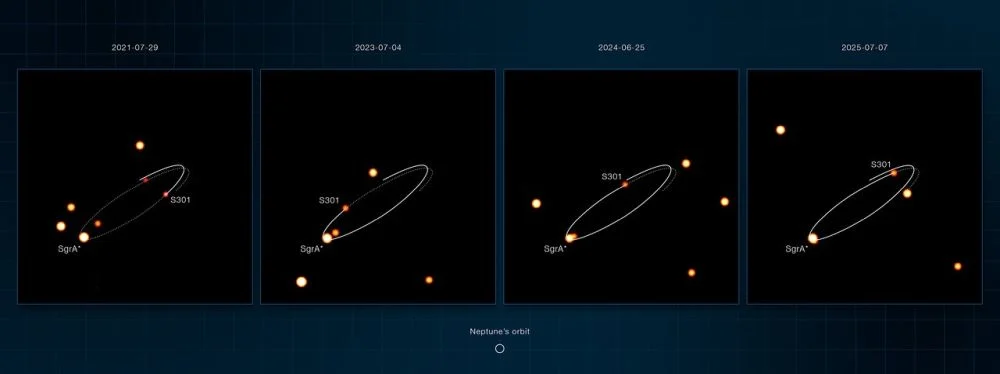
The Fastest Star in the Milky Way Will Test Relativity
Astronomers have discovered another S star, the population of stars that orbits the Milky Way's SMBH. This one is the fastest of them all, and also comes closest to the SMBH. It will let astronomers test relativity, especially the Lense-Thirring effect.
universetoday.com